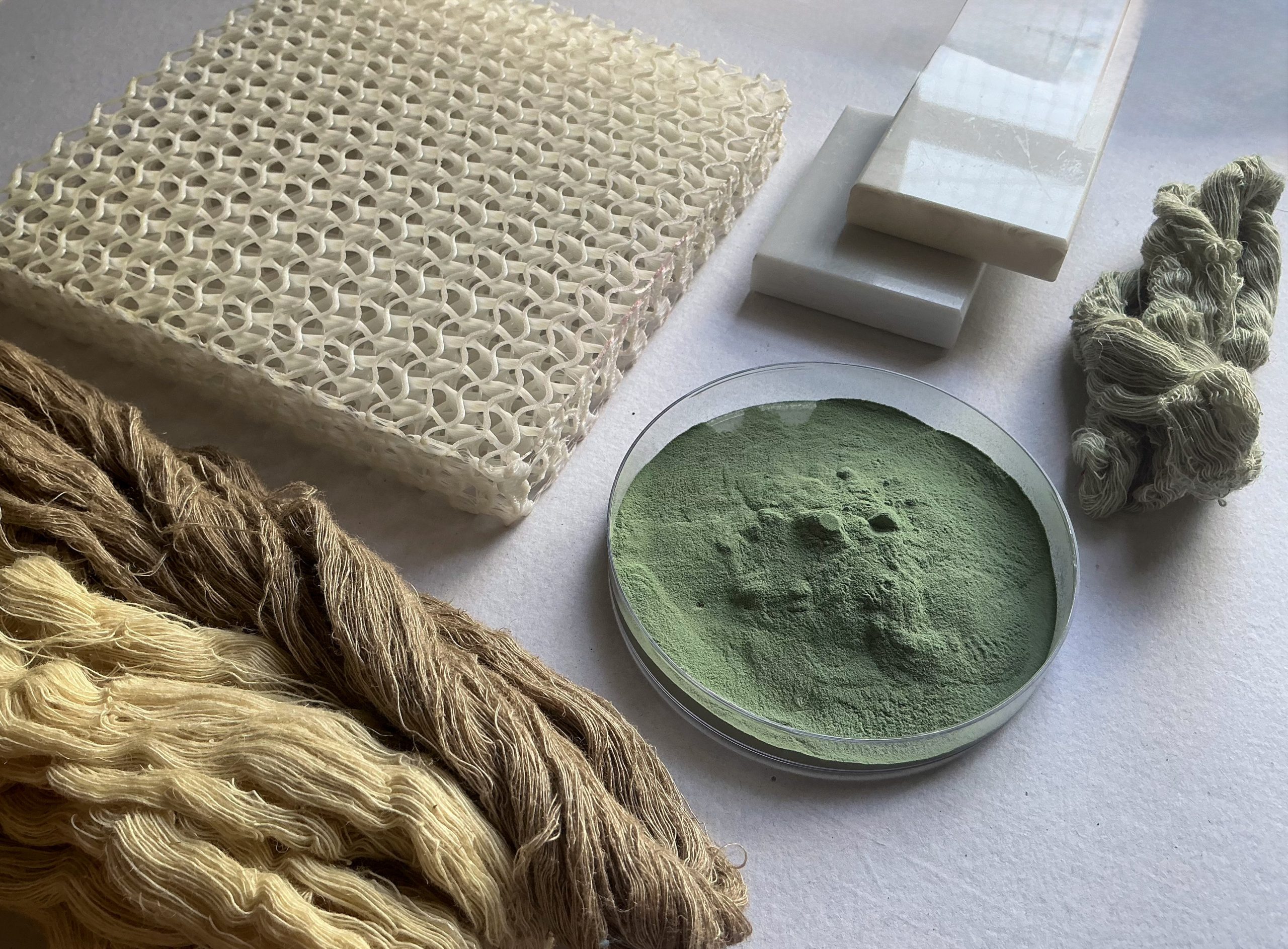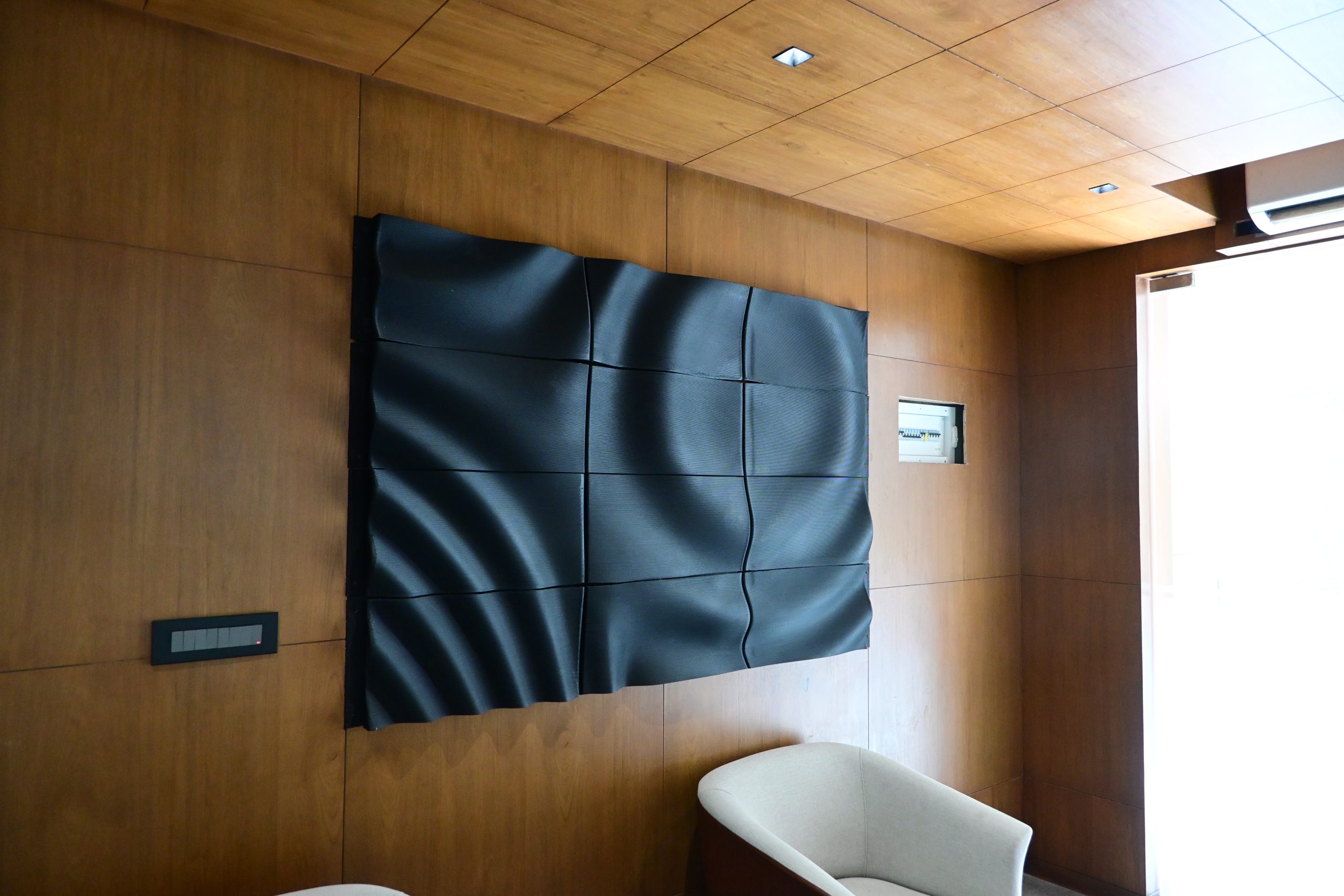
In conventional product design, CMF is often applied onto a surface through coatings, laminates, or finishes that define the final appearance of a product, often independent of how it is made.
In our system, this relationship is reconsidered, where structural and material decisions begin to influence surface outcomes from the outset. Rather than treating CMF as a separate layer added at the end, it becomes closely linked to how the material behaves and how the product is developed. This creates a stronger connection between design and engineering, where visual and tactile qualities emerge from the system itself rather than being applied afterward.
Colour as a Response to Context
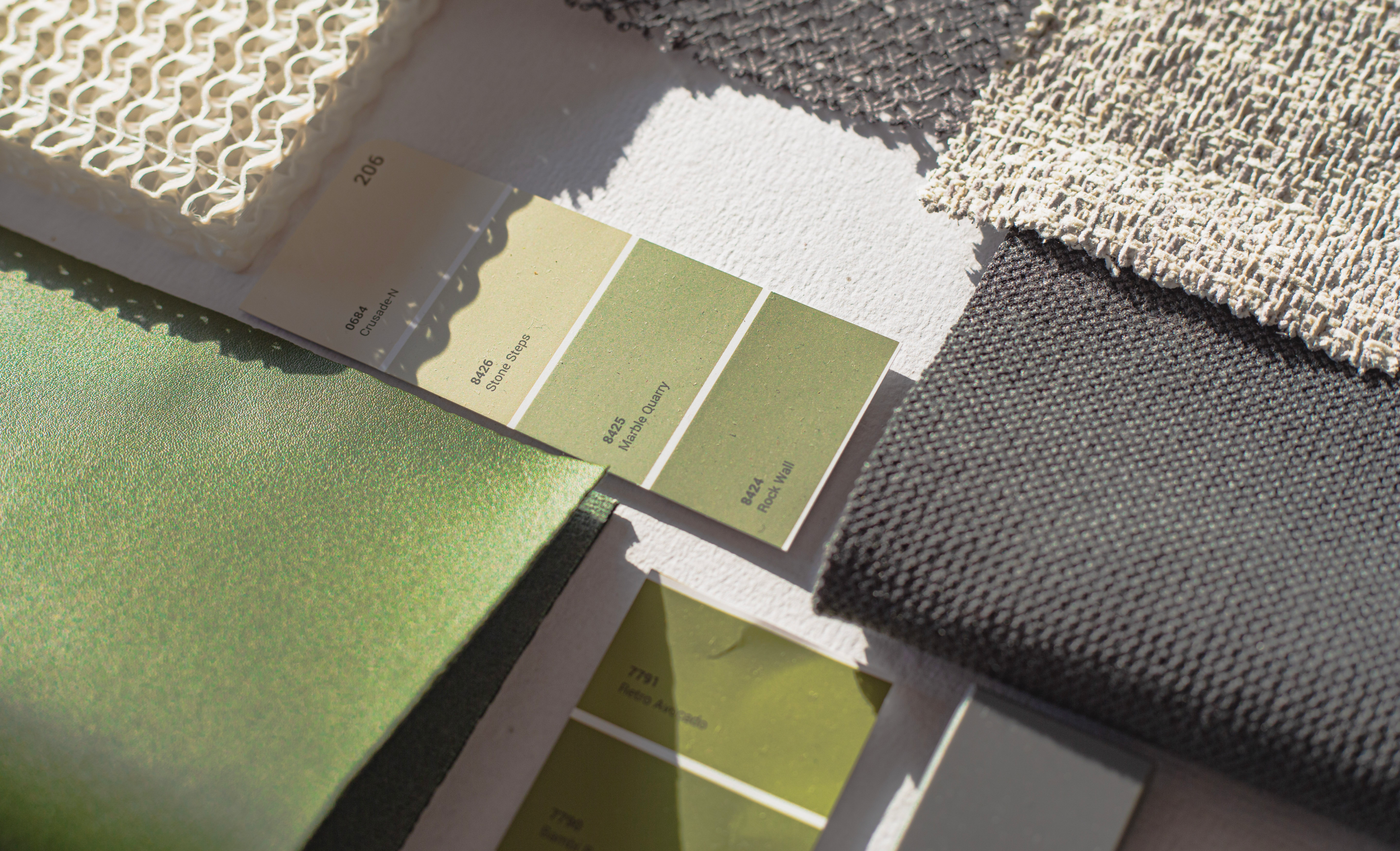
Colour is typically approached as a styling layer, chosen to enhance visual appeal or follow trends, often without a direct connection to how or where a product will be used. Here, colour is understood in relation to context, where palettes are developed in response to specific environments and applications rather than as standalone aesthetic choices. This shifts colour from decoration to specification, allowing it to support the intended use and experience of the product in a more meaningful and deliberate way.
Tactility as a Design Parameter
While CMF discussions often prioritise visual qualities, the tactile experience of a material plays an equally important role in how products are perceived and understood. Material behaviour, flexibility, and surface interaction contribute to this experience, shaping how a product responds to touch and use over time. These qualities can be influenced through both structural decisions and additional layers when required, making touch an active design parameter rather than a byproduct of material selection.
Designing Within the Constraints of Circularity
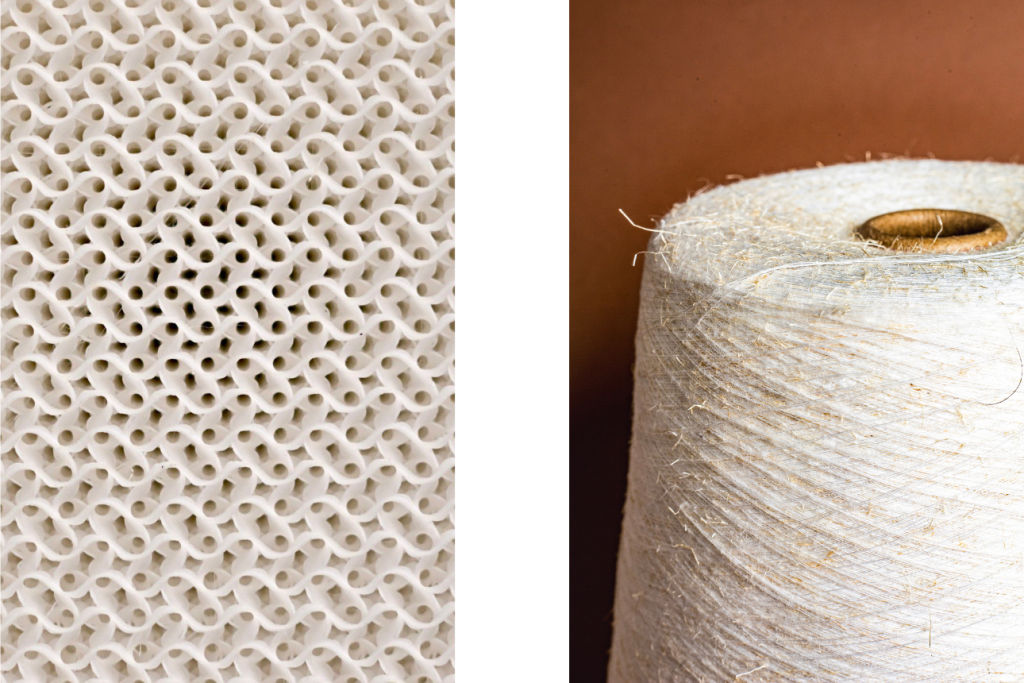
In many products, finishes and coatings are applied without considering their impact on recyclability, often complicating material recovery and limiting the potential for reuse. Our approach , circularity, introduces clear boundaries for CMF decisions, where surface treatments that interfere with recyclability are avoided. This leads to a more integrated approach in which colour and finish are considered as part of the material system, simplifying the product while supporting its long term environmental performance. Extending beyond the product itself, this way of thinking also informs how materials integrate into larger design systems, positioning CMF as part of a broader, cohesive design language.
At EcoLattice, CMF is not applied; it is shaped through the relationship between material, structure, and use.
Team EcoLattice