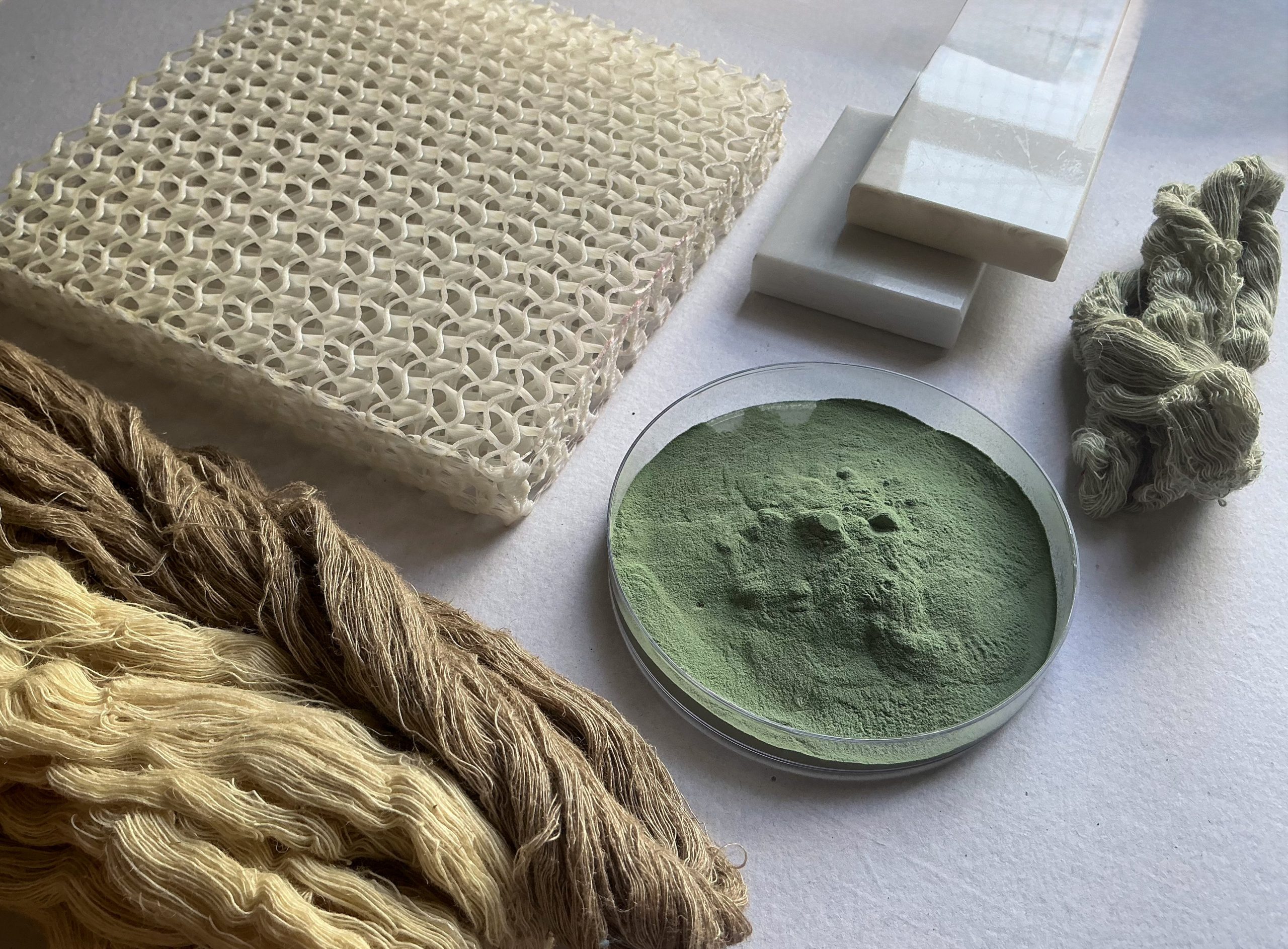
Sustainability in furniture is often reduced to material choice. Terms like recycled, biodegradable, or eco-friendly are used as markers of responsible design. While these aspects matter, they represent only a small part of a much larger system. A product cannot be considered sustainable if the way it is made, assembled, transported, and eventually discarded continues to follow a linear model.
Here, we approach sustainability as a design condition rather than a feature. It begins by questioning how furniture is produced in the first place, and whether those processes can be simplified, reduced, or rethought entirely.
Beyond Material : Looking at the Entire System
Conventional furniture manufacturing relies on multiple materials, layered constructions, and complex assembly processes. These systems are difficult to separate, repair, or recycle. Even when sustainable materials are introduced, they are often embedded within structures that prevent effective recovery at the end of their lifecycle.
Our approach focuses on reducing this complexity. By working with single-material systems and eliminating unnecessary layers, products become easier to understand, manufacture, and eventually process again. Sustainability, in this sense, is not just about what a product is made of, but how clearly its lifecycle is defined.
Reducing Through Making
One of the most direct ways to improve sustainability is by reducing steps in production. Traditional workflows involve tooling, moulds, multiple components, and post-processing, each adding time, waste, and resource consumption.
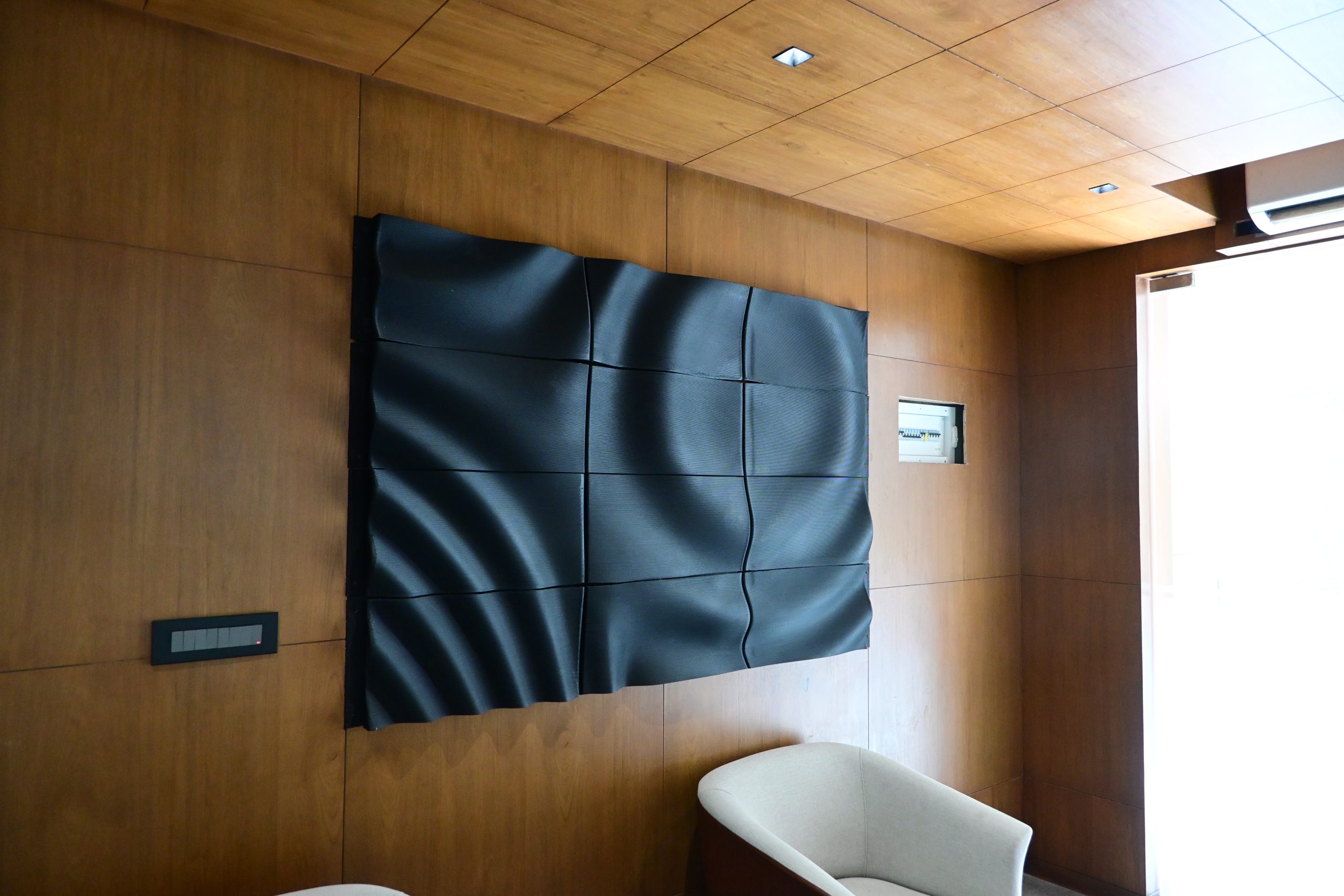
At EcoLattice, large format additive manufacturing enables a shift toward direct fabrication. Products are built in a single process, without moulds or assembly, reducing material waste and production overhead. This allows for a more efficient use of resources while maintaining control over form and performance.
Designing for Longevity and Use
Sustainability is also tied to how long a product remains relevant and functional. Furniture that fails prematurely or cannot adapt to changing needs contributes to continuous cycles of replacement.
By focusing on structural performance and material durability, EcoLattice aims to create products that maintain their integrity over time. This extends the usable life of each piece and reduces the need for frequent replacement, which is often overlooked in sustainability discussions.
A Continuous Approach
Sustainability is not a fixed outcome. It is an ongoing process of evaluating materials, refining production methods, and reconsidering design decisions. As technologies and material systems evolve, so does the approach.
For us, this means continuously exploring how design, material, and manufacturing can work together more efficiently. The goal is not to claim a perfect solution, but to move toward systems that are more responsible, more adaptable, and more aligned with long-term use.
Team EcoLattice