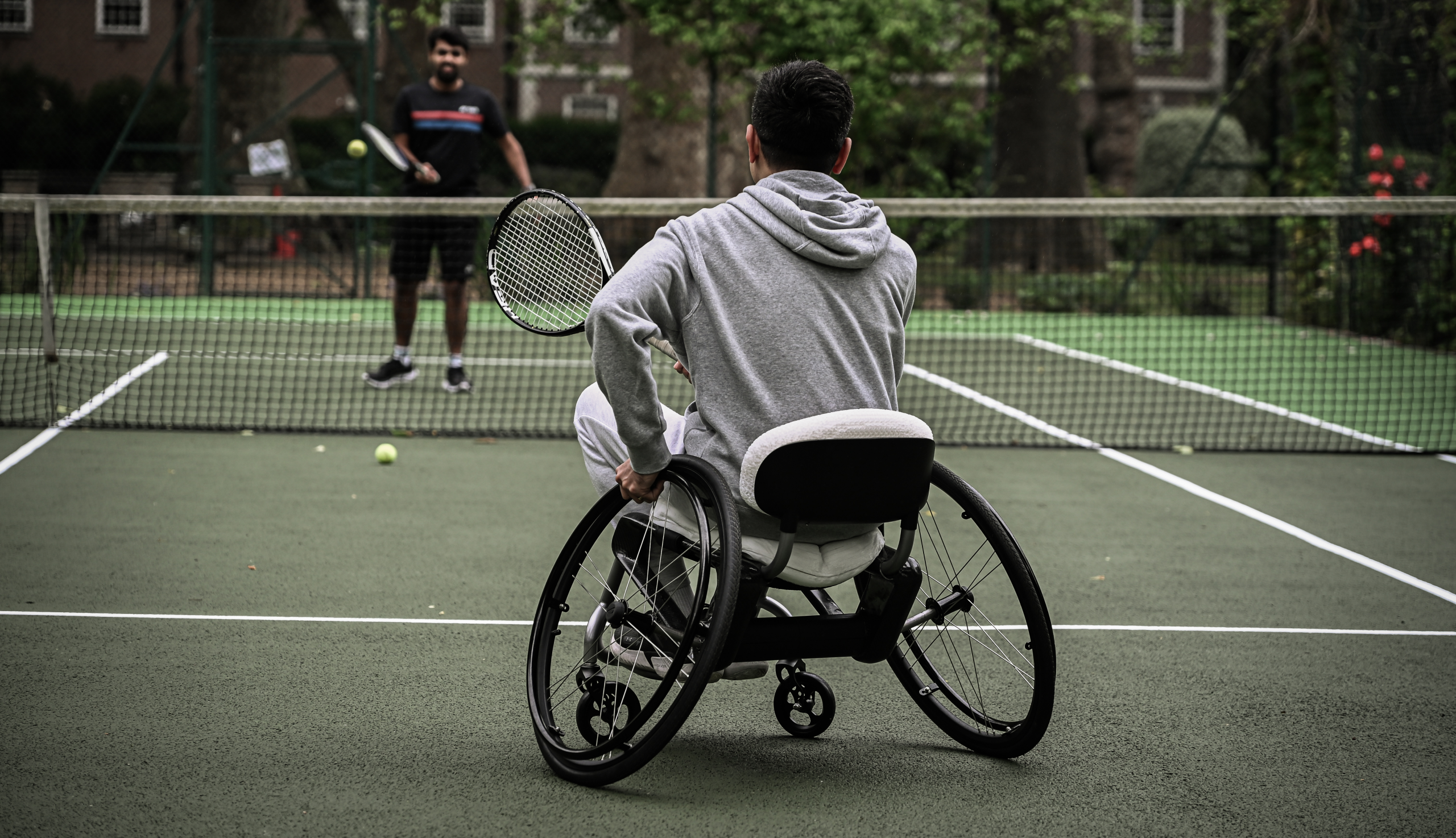
In August 2025, EcoLattice collaborated with NHS Scotland to explore an alternative approach to wheelchair cushioning. The project focused on developing a multi-density system that responded directly to individual user needs, integrating areas of varied support within a single, continuous structure.
Rather than treating cushioning as a fixed product, the collaboration positioned it as a responsive system. By aligning material behaviour with user-specific requirements, it enabled a more precise balance between comfort, support, and long-term usability.
Material Exploration and System Development
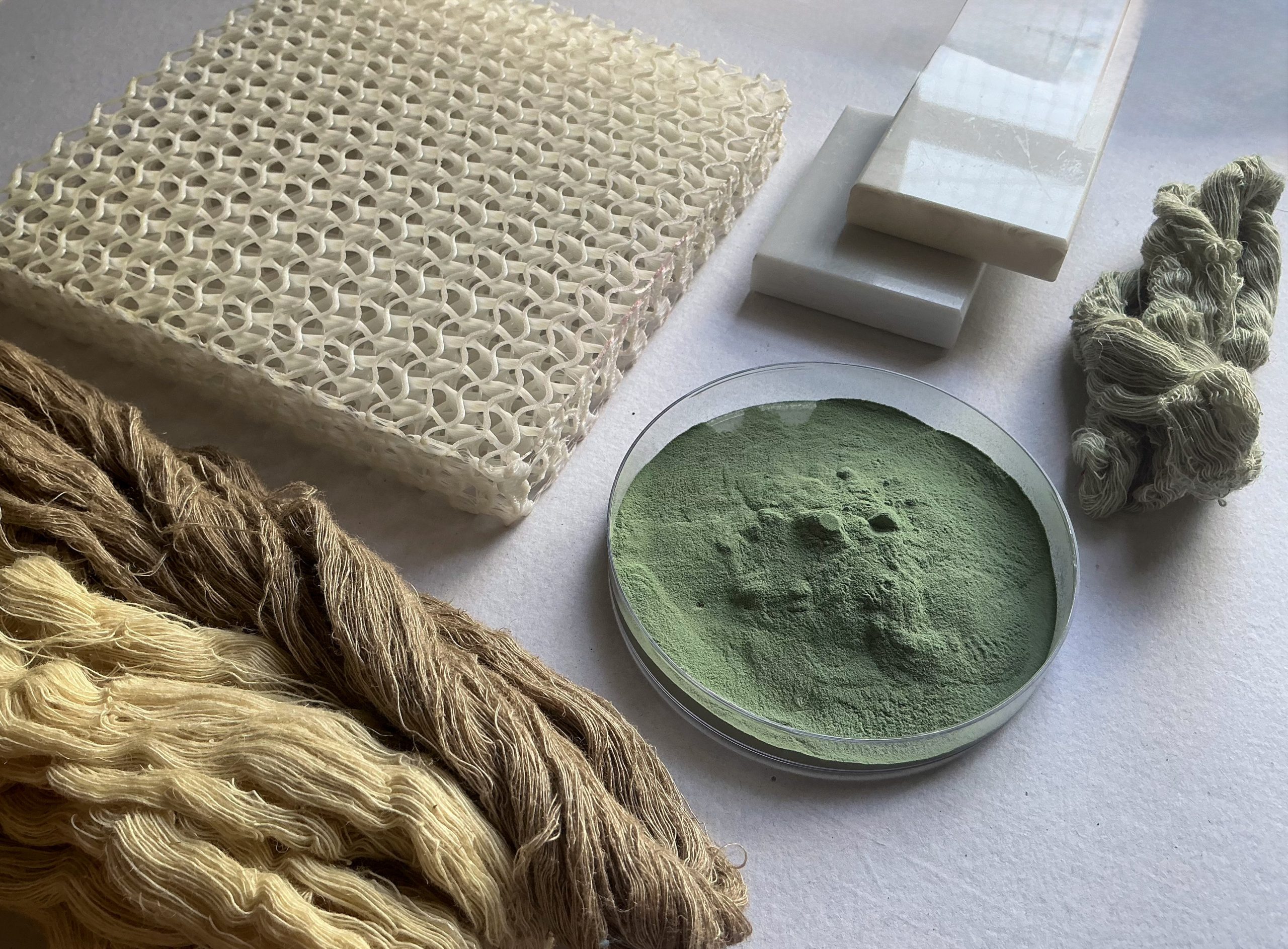
The project centred on translating conventional foam behaviours into lattice-based structures. By working with varying densities and mechanical properties, it investigated how hardness, softness, and structural variation could coexist within a unified material system.
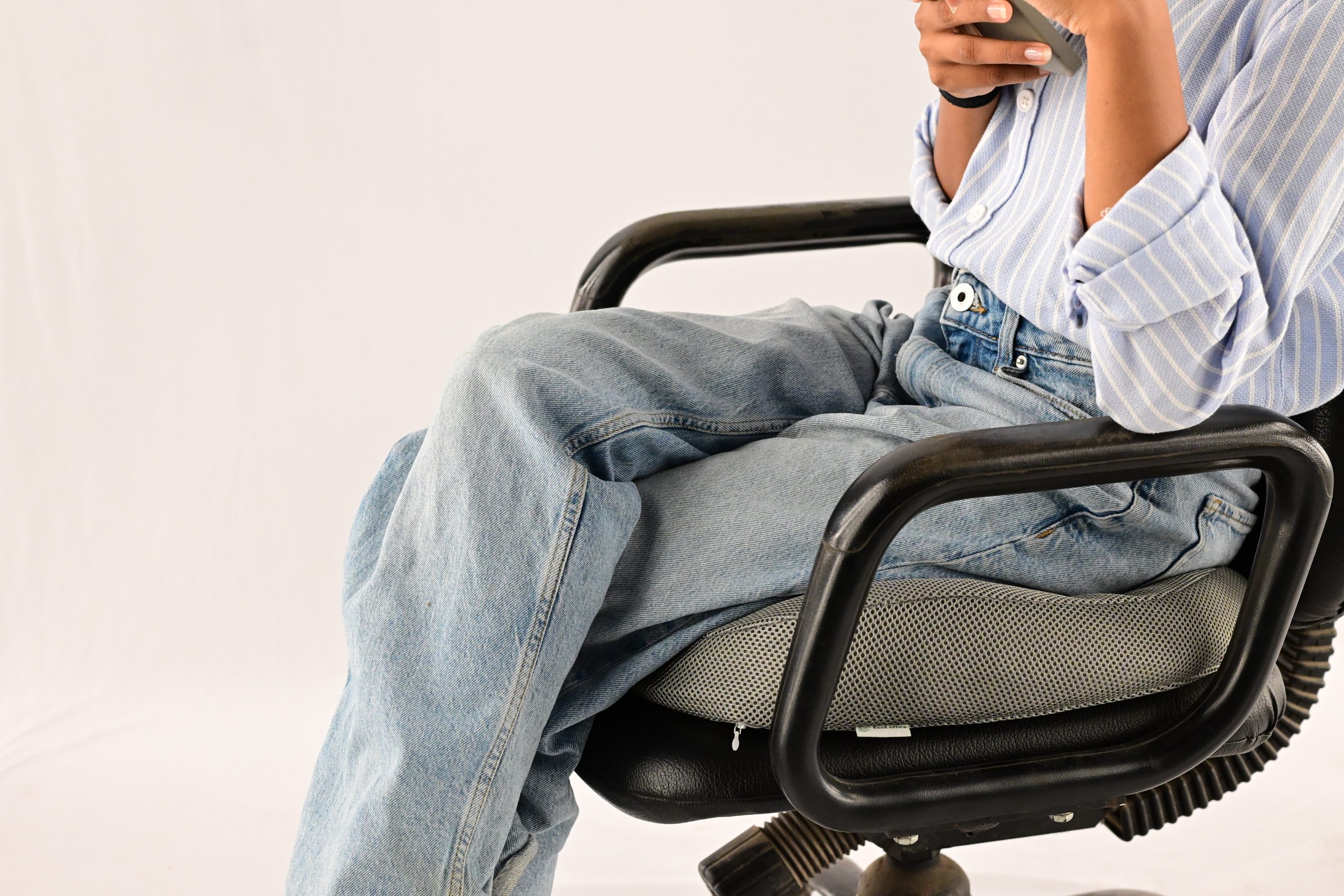
Pressure point data was collected from users and digitalised through parametric design tools, then translated into three-dimensional forms. This enabled the development of personalised cushions and supports, where density and geometry were tuned simultaneously. Unlike traditional methods, where foams are cut, shaped, and assembled, the EcoLattice system integrated these variations within a single production process.
The resulting structures were breathable, with improved airflow, and supported hygiene and infection control while maintaining consistent ergonomic performance.
From Process Complexity to Material Efficiency
Conventional wheelchair cushions rely on multiple steps i.e., cutting, milling, and bonding separate foam layers making the process time-intensive, labour-heavy, and waste-generating. EcoLattice consolidated these stages into a single workflow, where multiple densities were produced simultaneously within one material.
This allows technicians to move directly from user measurements to final production, eliminating intermediate processes. The result is a significant reduction in production time, effort, and material consumption, alongside a higher degree of customisation.
Team EcoLattice