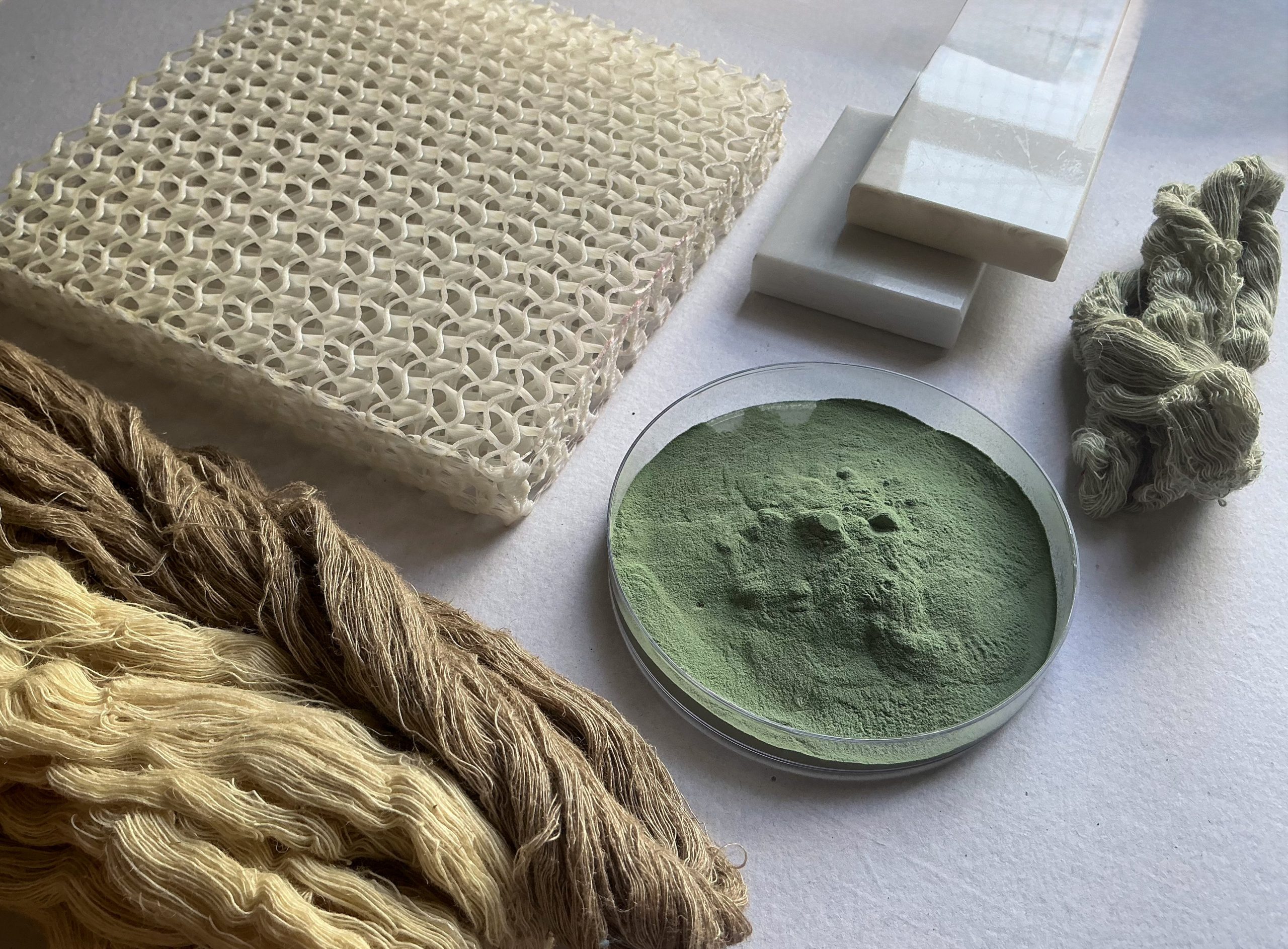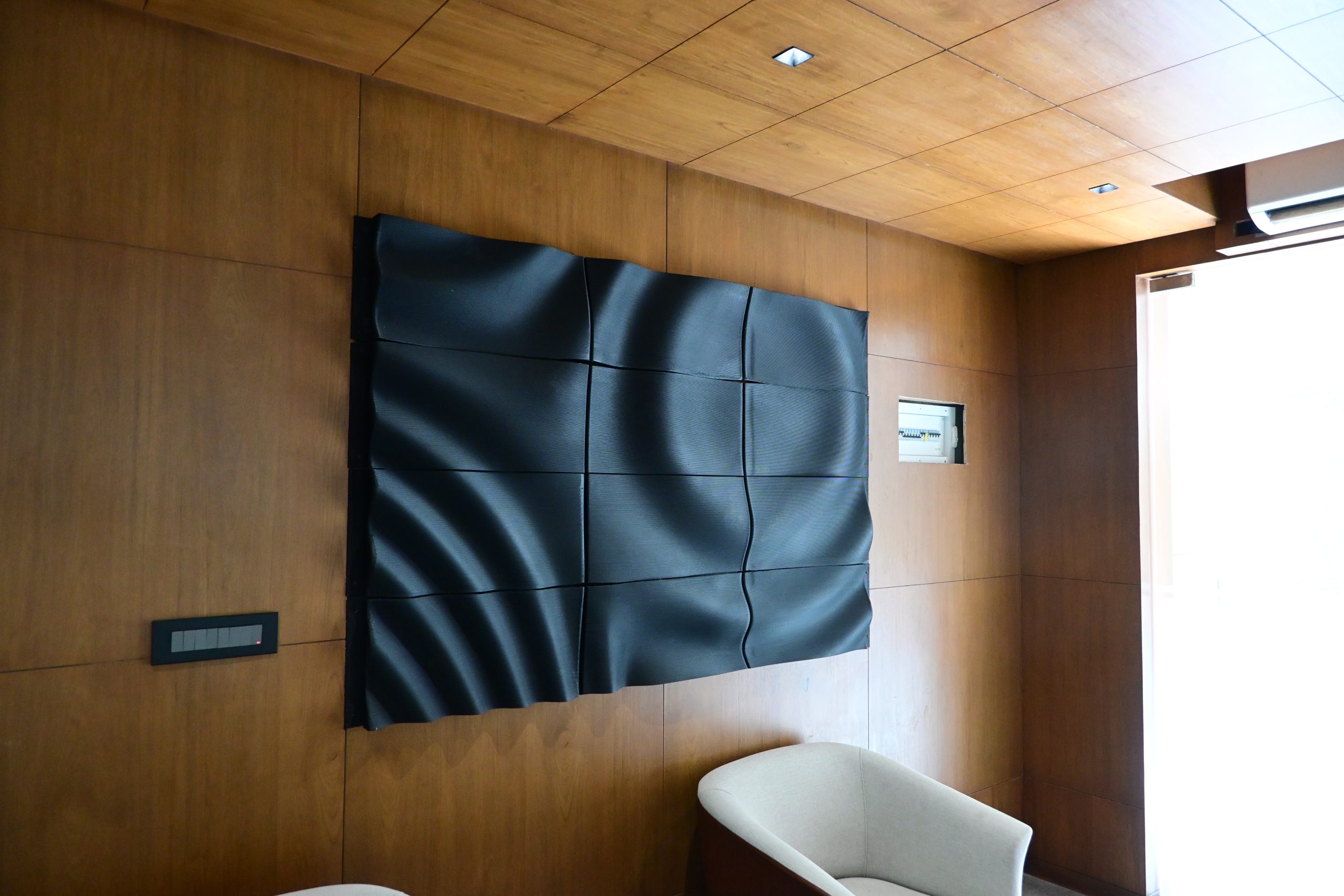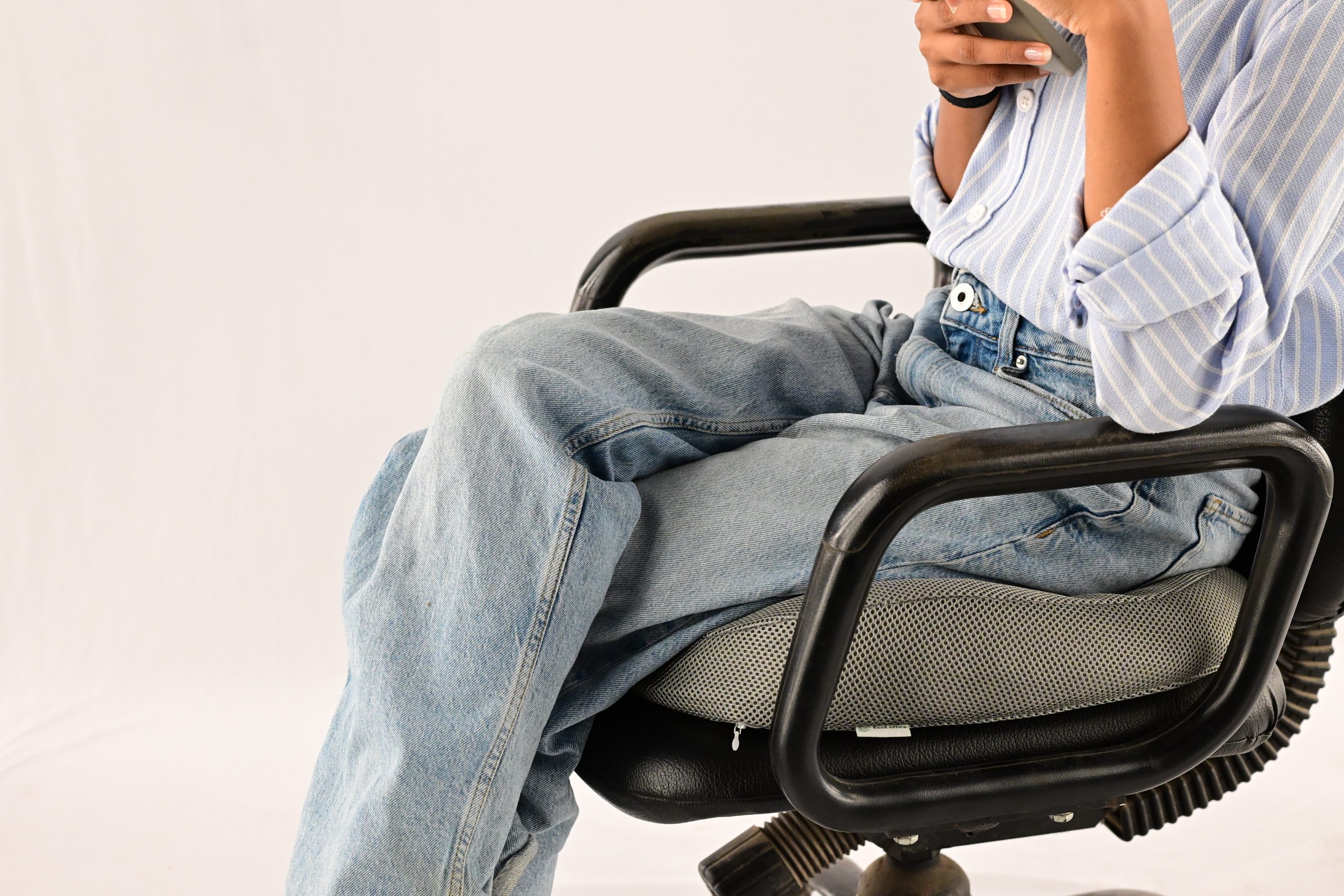
Waste is often seen as something that comes at the end of a product’s life. Here, it is treated as the starting point of a new material cycle. Instead of working with mixed and unpredictable inputs, the focus is on identifying specific, consistent waste streams that can be processed and reused.
This approach is what allows materials to stay within a loop. By working with thermoplastic elastomers, materials that can be reheated and reshaped, the system moves away from disposal and towards reuse. It shifts waste from something to be managed into something that can be designed with, forming the base of a more circular material system.
From Products to Feedstock
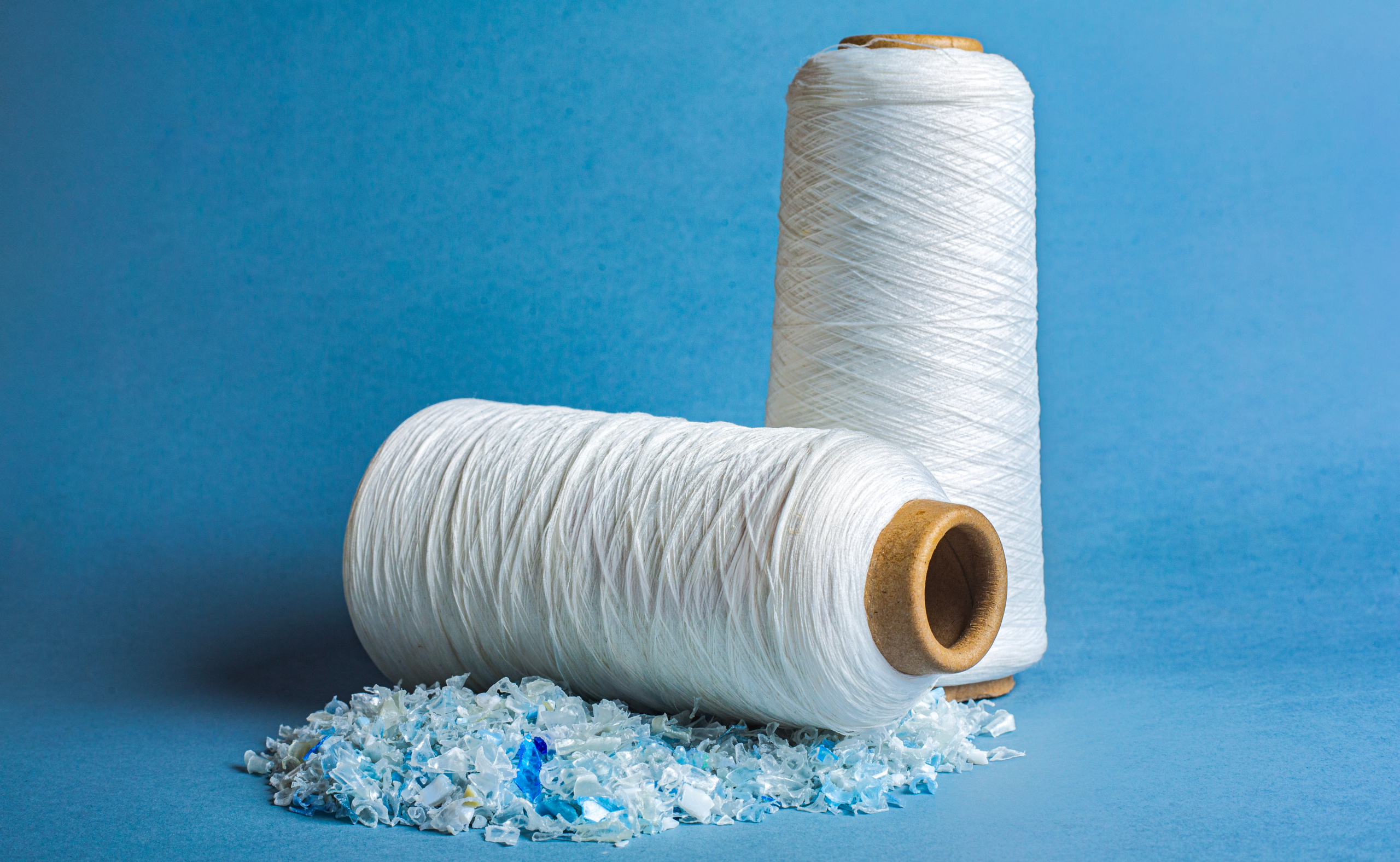
A key material stream comes from TPU based mobile covers. These are collected, sorted, and shredded into smaller fragments, making them easier to process into a usable form. This step is important, not just for handling waste, but for creating a stable and consistent material input for production.
What makes this possible is the nature of TPU itself. As a thermoplastic, it can be melted and reshaped multiple times, even after it has already been used in a previous product. This allows discarded items to be turned back into feedstock and then into new products again.
Choosing materials like TPU is not accidental. It is a conscious decision that enables this kind of loop to exist. Instead of following a linear path of making, using, and discarding, the material is selected so it can continuously move through cycles of use, processing, and reuse.
Closing the Loop in Production
The loop does not stop at sourcing. Waste generated during production, including failed prints, faulty components, and excess foam, is also brought back into the system. These materials are reprocessed and reused, allowing outputs to return as inputs.
Within EcoLattice, this creates a more controlled material cycle where both external waste and internal production waste are continuously reintegrated. The process is not only about reducing waste, but about ensuring that materials remain in use for as long as possible.
In this system, waste is no longer an end point. It becomes part of an ongoing loop where material is constantly moving, adapting, and finding new form.
Team EcoLattice