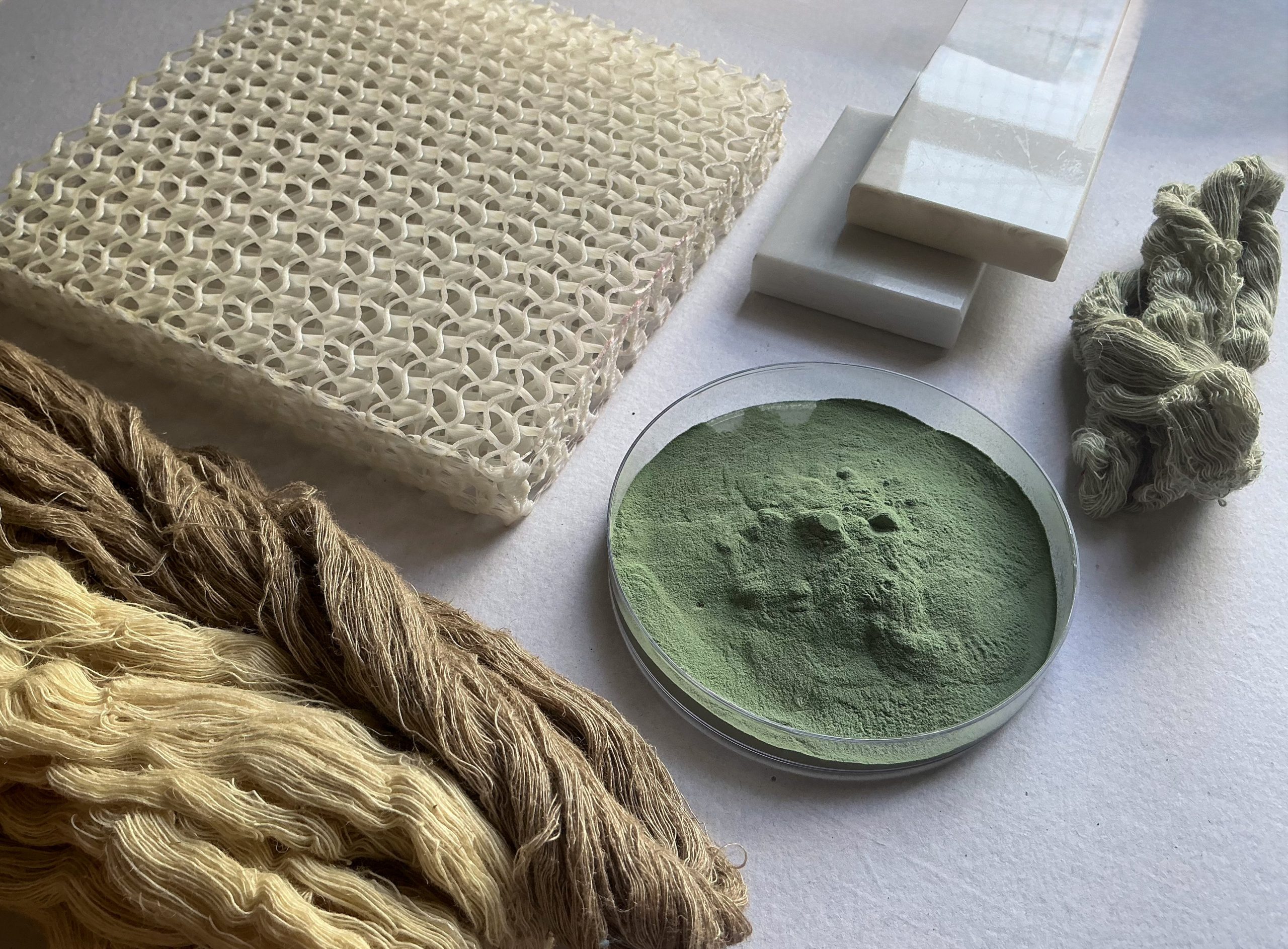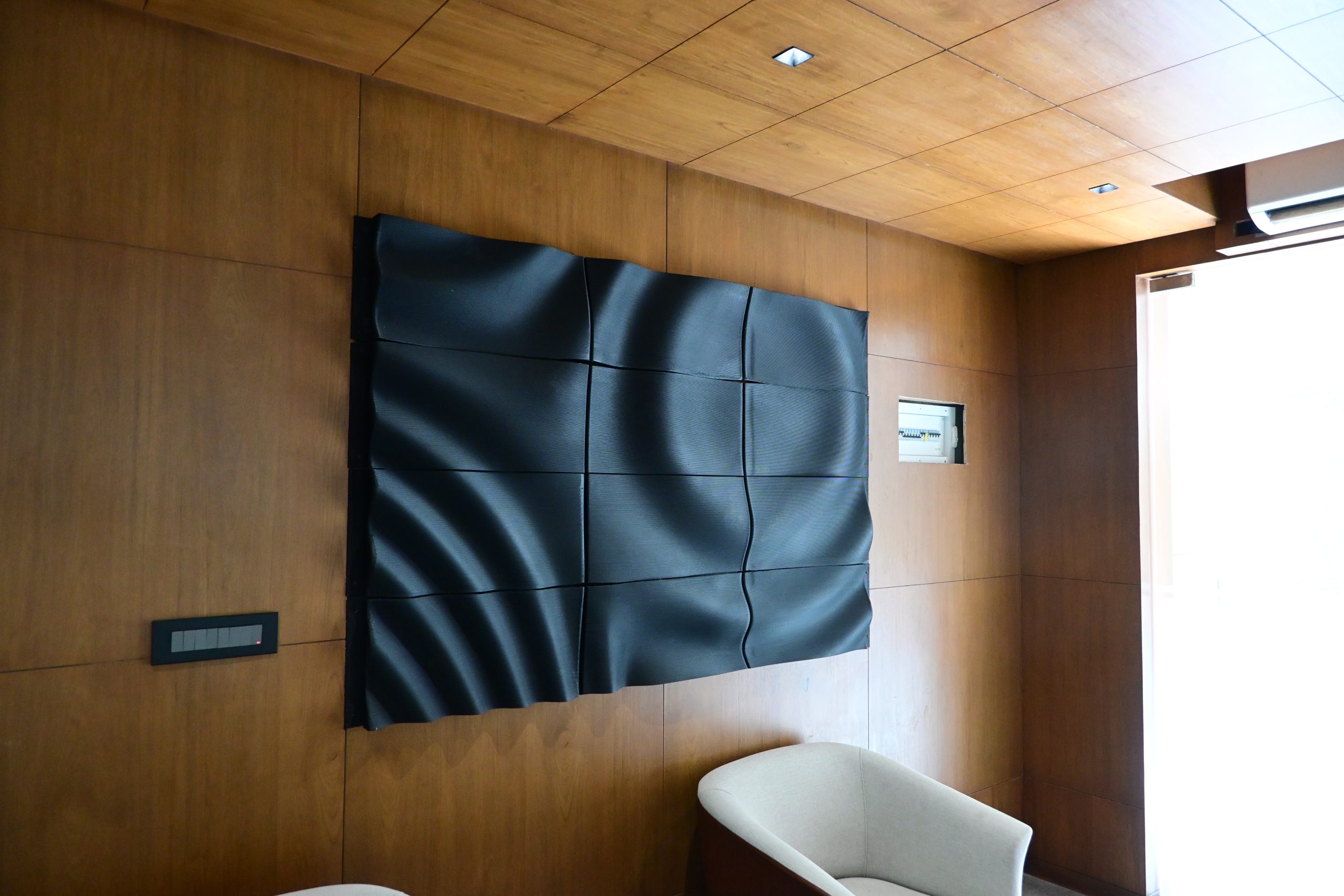
For most of the last century, plastics and petrochemical foams formed of virgin materials shaped the way modern comfort was built. They entered homes, cars, hospitals, furniture, footwear, packaging, electronics, and everyday products. Foam became one of the quiet materials of daily life because it could cushion, insulate, absorb impact, reduce weight, and support the body at scale.
But the same qualities that made these materials successful are now being questioned.
Conventional foams and plastics were designed for a world that valued scale, speed, and low cost. They performed well, but were not always designed to be circular, breathable, repairable, separable, or easy to recover after use. Today, this model is reaching a turning point.
A Material System Under Pressure
Petrochemical materials are closely tied to oil and gas systems, global trade routes, feedstock prices, and geopolitical stability. When energy markets shift, supply chains feel it. When regions face conflict, sanctions, export restrictions, or shipping disruption, material availability and cost are affected.
What looks like a simple foam sheet or plastic component often carries a long chain of extraction, refining, chemical processing, transport, and conversion behind it. This makes conventional soft materials vulnerable in ways that are no longer only environmental, but also economic and political.
The question is no longer only what a material can do. It is also where it comes from, how much waste it creates, how stable its supply is, and what happens to it after use.
From Material Dependence to Material Intelligence
The future of soft materials cannot depend only on replacing one material with another. It asks for a different way of designing comfort, support, and performance.
This is where design has to move beyond material substitution. A better future for soft materials will not come only from finding a new ingredient and using it in the same old way. It will come from rethinking the system: how much material is used, where performance is needed, how products are made, how long they last, and how they return into use or recovery cycles.
We look at softness, resilience, airflow, and pressure response not only as material properties, but as design questions. Geometry, structure, and digital fabrication allow us to ask whether comfort can be created with less excess, more precision, and greater adaptability.
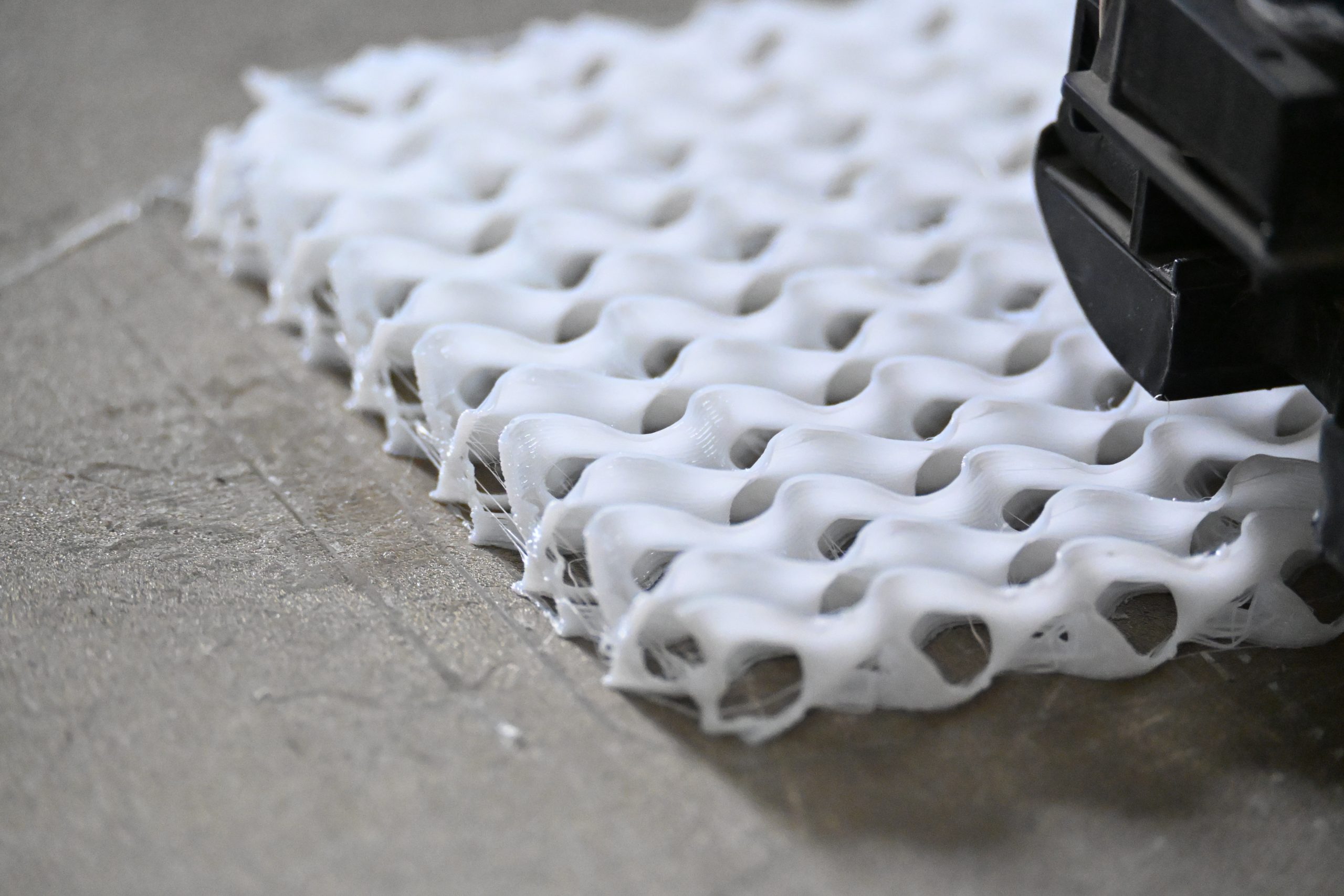
What Comes After Foam
The petrochemical century will not end overnight. Plastics and foams will not disappear immediately. But their unquestioned dominance is beginning to shift.
The materials that come next will have to prove themselves differently. They will need to show how they are made, how they perform, how long they last, how they can be recovered, and what systems they belong to after use.
For industries such as automotive, interiors, healthcare, furniture, and wellness, this is not just a sustainability conversation. It is also a performance and resilience conversation. Materials now need to be lighter, more adaptable, more traceable, and less vulnerable to unstable supply chains.
What comes after the petrochemical century is not one single material.
It is a new material mindset.
—Team EcoLattice