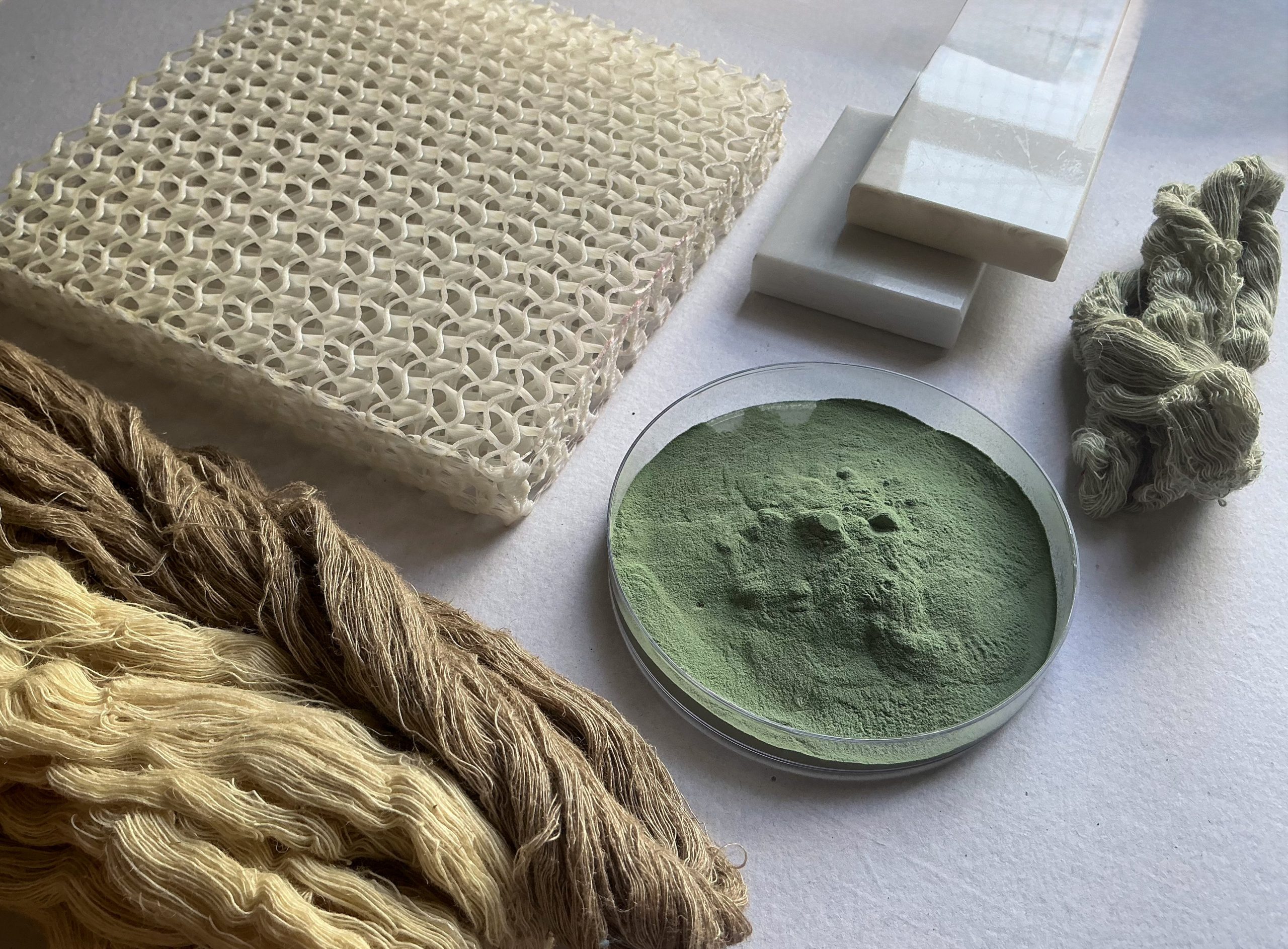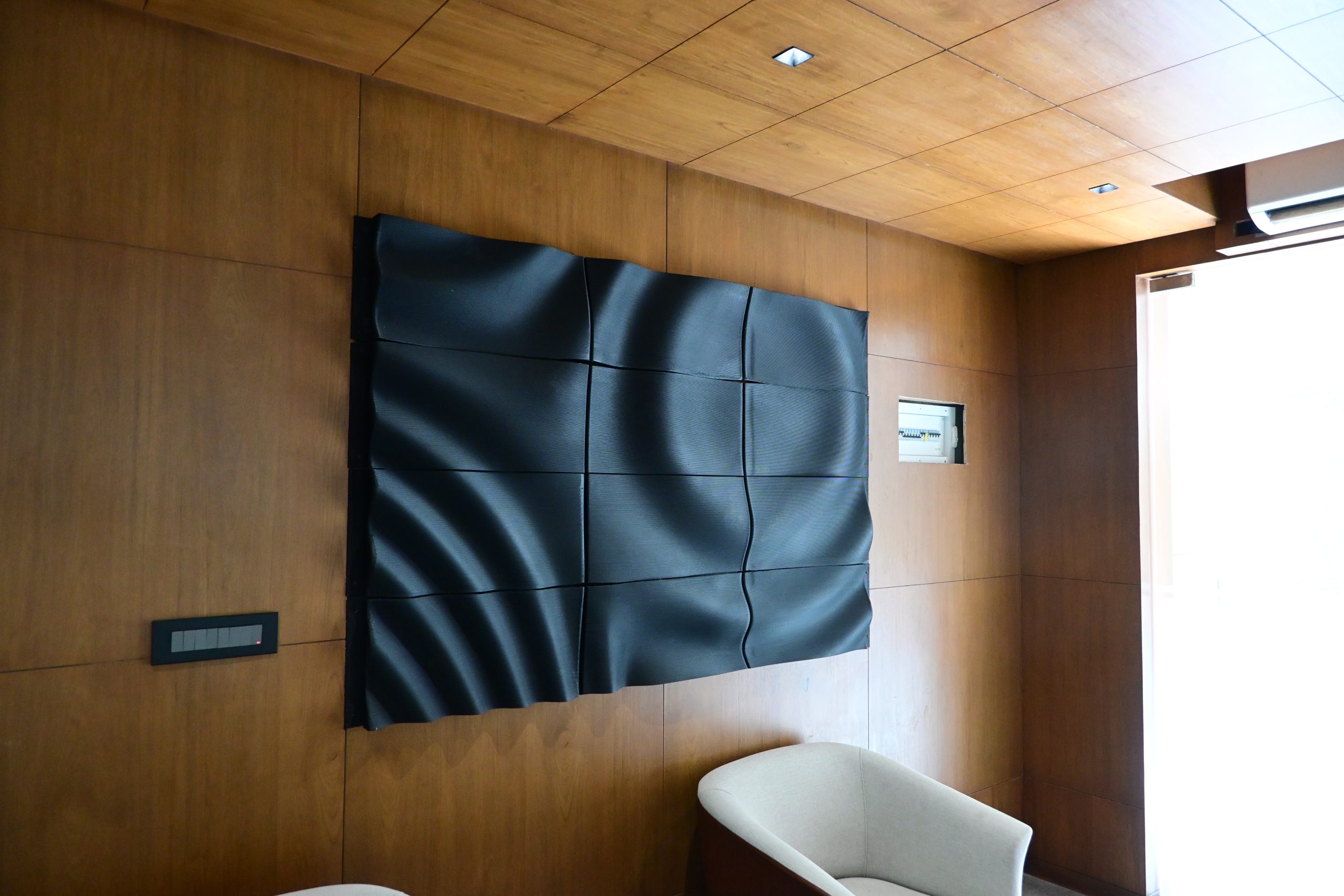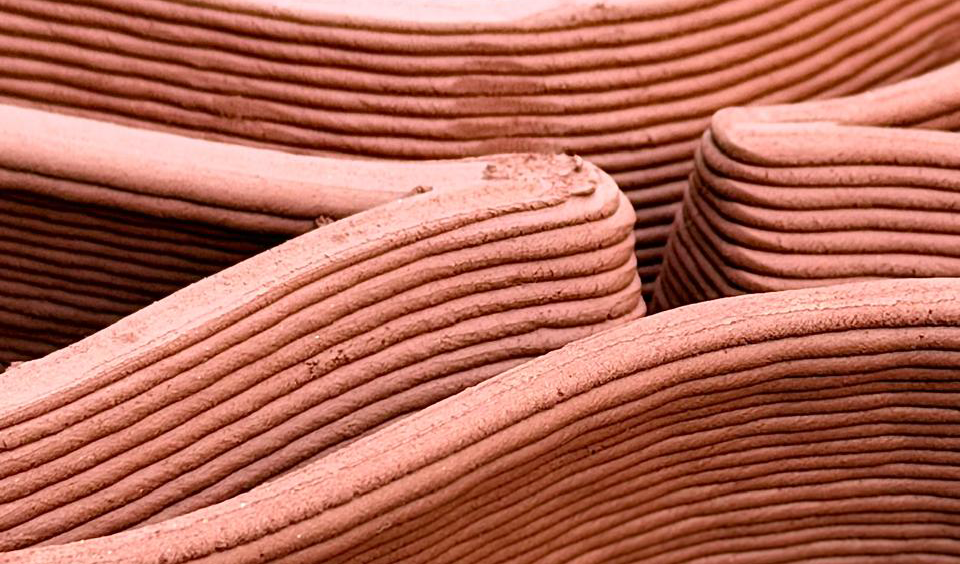
The collaboration between CEPT University and EcoLattice was developed as an experimental design initiative exploring how computational design, additive manufacturing, and material innovation can reshape products and built environments.
Titled as Biologic Art, the project investigated the relationship between art, technology, and nature through bio-inspired systems and generative design methodologies. Using natural growth patterns and environmental behaviour as references, students explored how advanced design tools could create adaptable, efficient, and sustainable solutions.
Design Through Systems and Material Behaviour
The programme encouraged students to engage with systems-based design approaches exploring airflow optimisation, passive cooling, porosity, modularity, and self-shading structures through computational geometries.
Working across architectural applications, furniture, and interior products, students investigated how generative algorithms and additive manufacturing could influence both form and performance. The collaboration also opened conversations around ventilation, acoustic performance, and climate-conscious design strategies within contemporary spaces.
From Concept to Prototype
Structured across multiple stages from briefing to final presentation, the collaboration focused on iterative experimentation and prototype development. Students engaged in presentations, concept reviews, and material-led exploration, translating speculative ideas into tangible outcomes.
The project reflected a growing shift toward interdisciplinary design education, where computational thinking, ecological awareness, and emerging manufacturing technologies converge to shape future design practices.
—Team EcoLattice