Comfort materials are everywhere, from the seats we sit on to the products we use every day. Yet most of them follow a linear path, designed for performance in the moment but rarely considered beyond their first life. This raises a larger question about how these materials are made, used, and eventually discarded.
Where did it emerge ?
It began with a simple question. Why is one of the most widely used comfort materials, polyurethane foam, still so difficult to recycle, short-lived in use, and wasteful at scale?
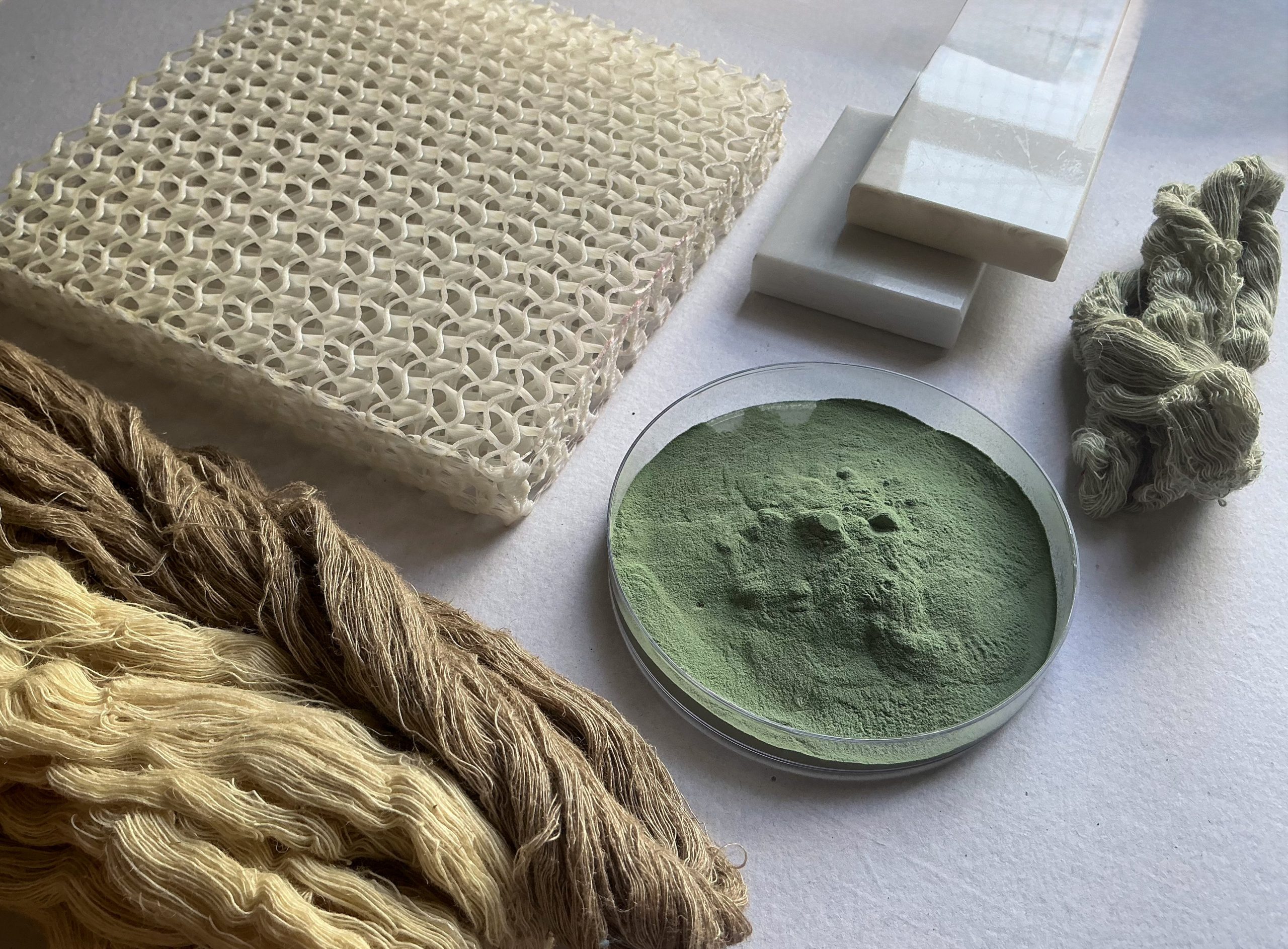
EcoLattice took shape from this inquiry, during a period of material exploration at Central Saint Martins. Instead of looking for an improved version of foam, the focus shifted towards rethinking the material system itself. This led to the development of EcoLatticeTM Technology, a lattice-based material made from recycled thermoplastic polyurethane, designed to be reused, reprocessed, and reintegrated into production.
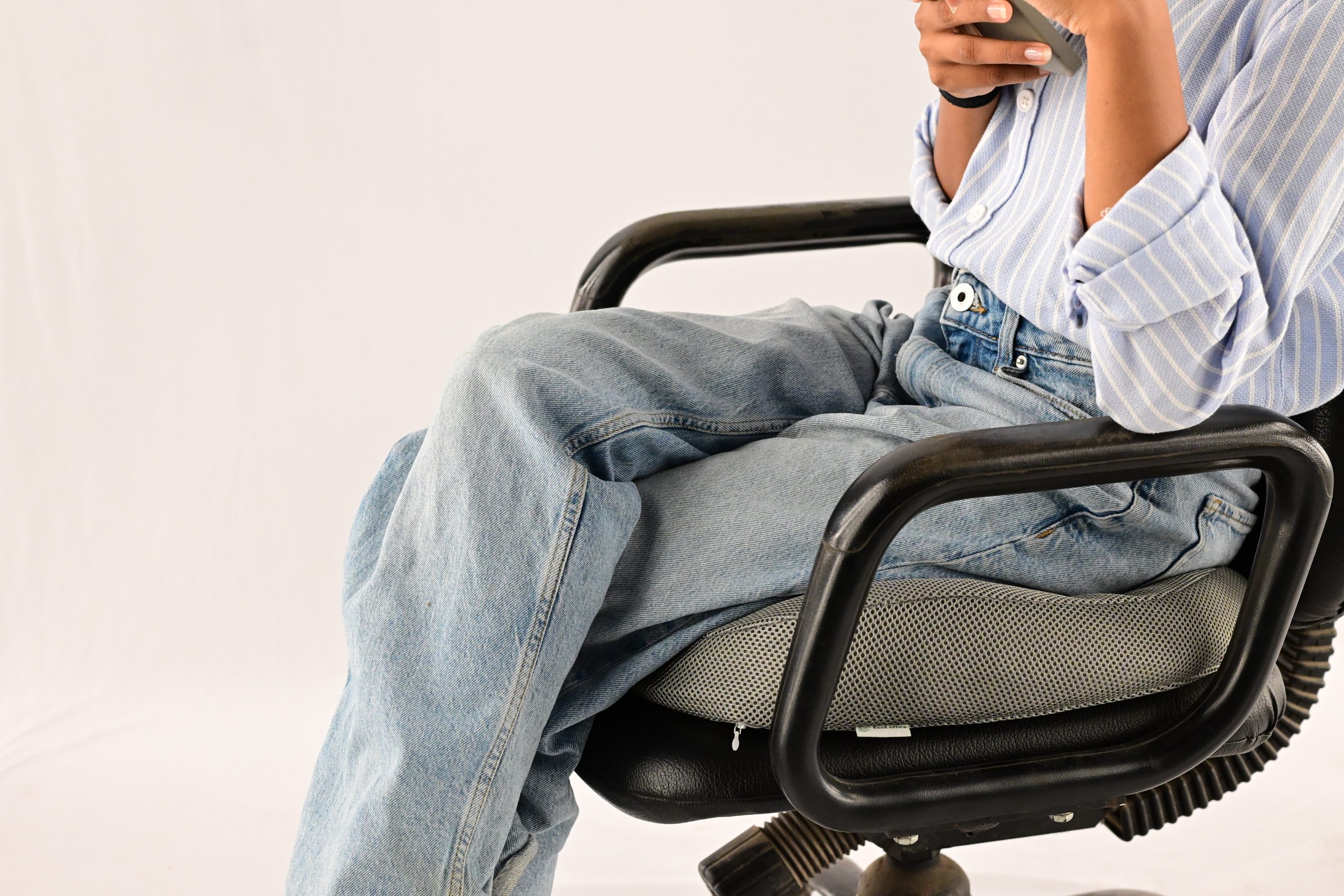
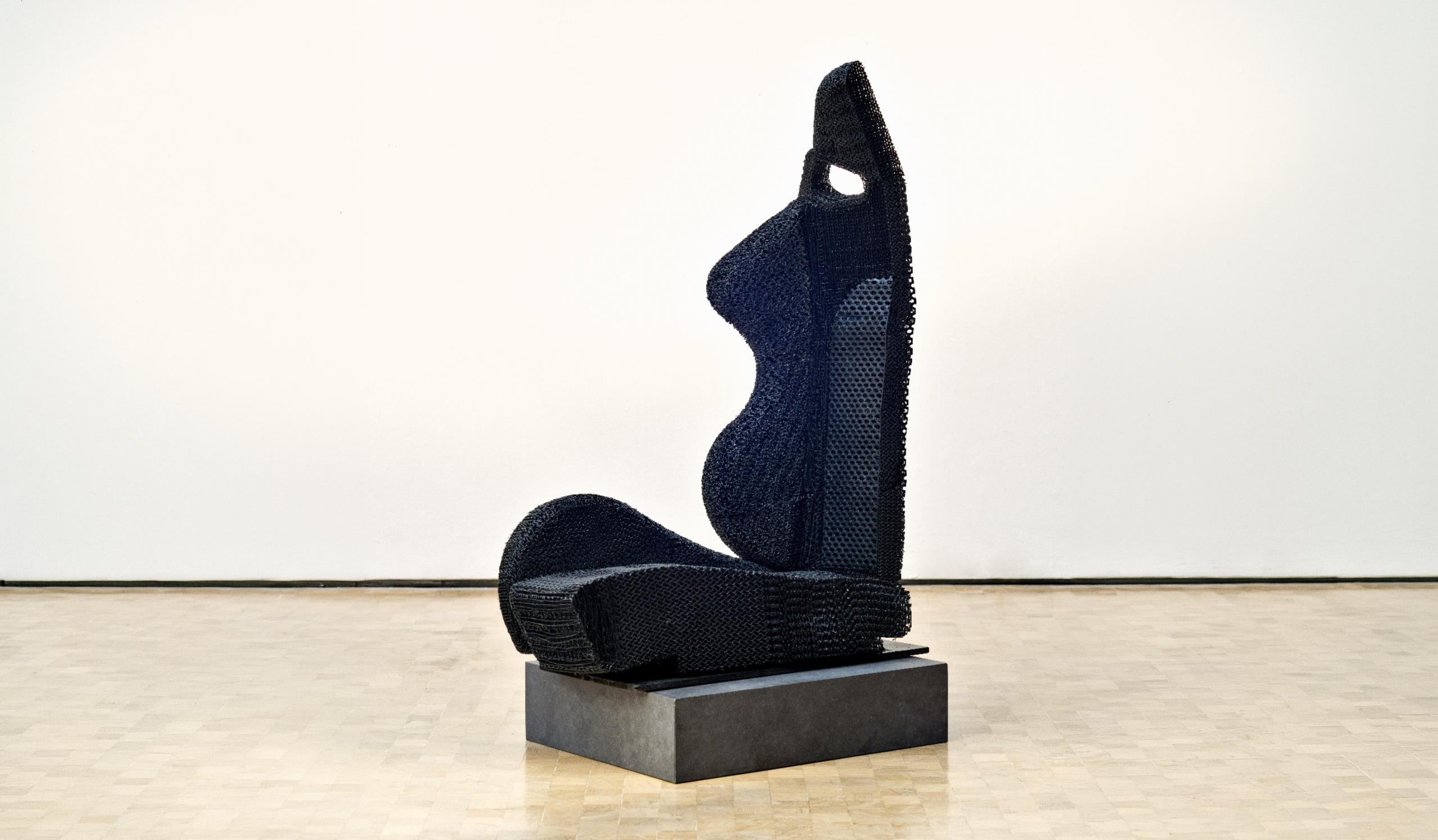
The material is built as a gyroid lattice structure, allowing it to perform as a cushioning system while remaining lightweight and adaptable. Because it is thermoplastic, it can be melted and reshaped, making it easier to keep the material within a loop. This approach moves away from traditional multi-layered foam systems that are difficult to separate and recycle.
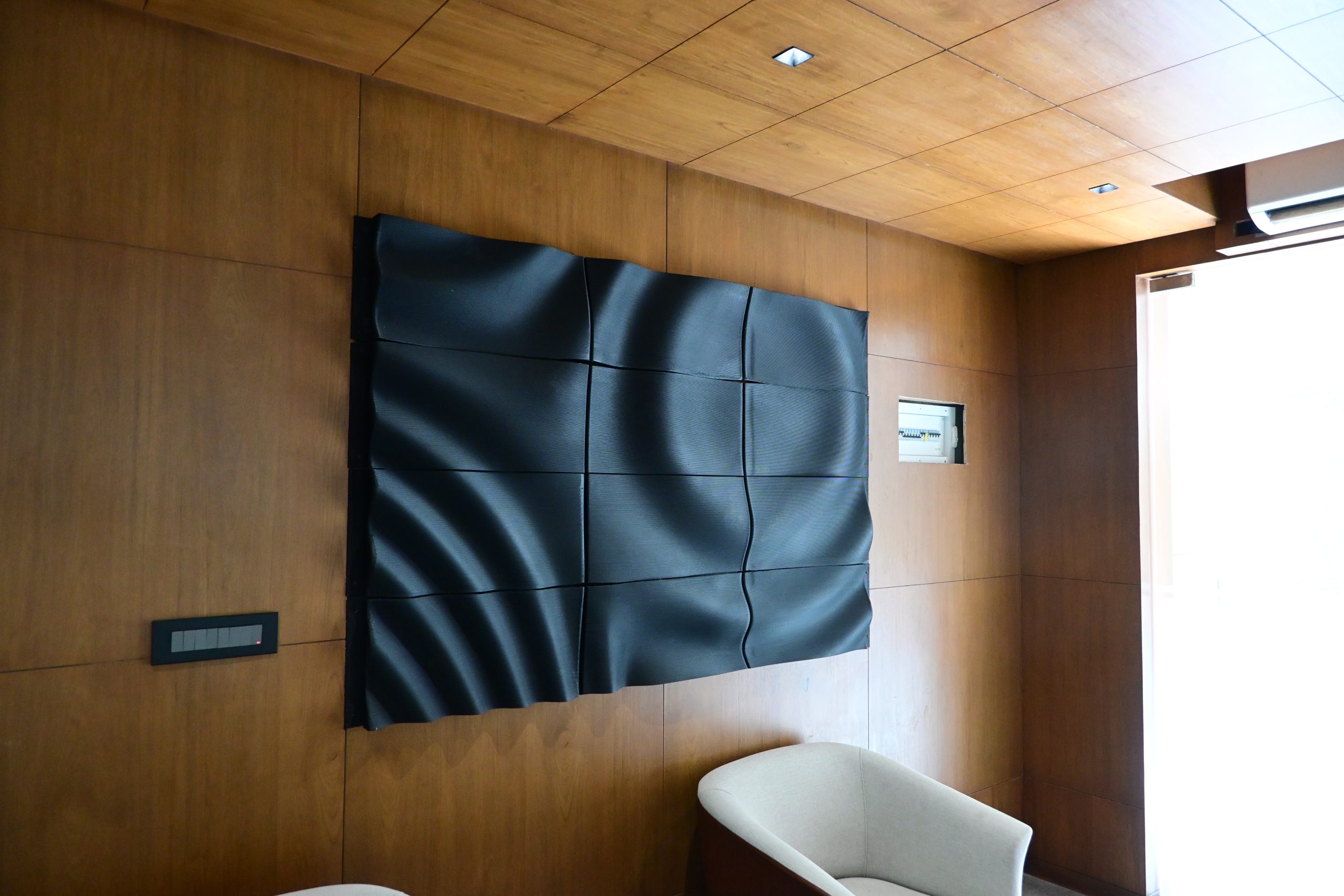
Today, EcoLattice operates at the intersection of material development, design, and manufacturing. With a foundation in large format additive manufacturing, the process allows for precise control over form, structure, and material use, while reducing the need for molds and complex assembly.
Working across industries such as automotive, interiors, and wellness, the focus remains on developing materials and products that respond to both performance and long-term impact. From early material research to applications in everyday products, the aim is not just to replace existing solutions, but to rethink how they are made and used.
Rather than improving what already exists, EcoLattice looks at how materials themselves can be redesigned to support more circular and adaptable systems for the future.
Team EcoLattice