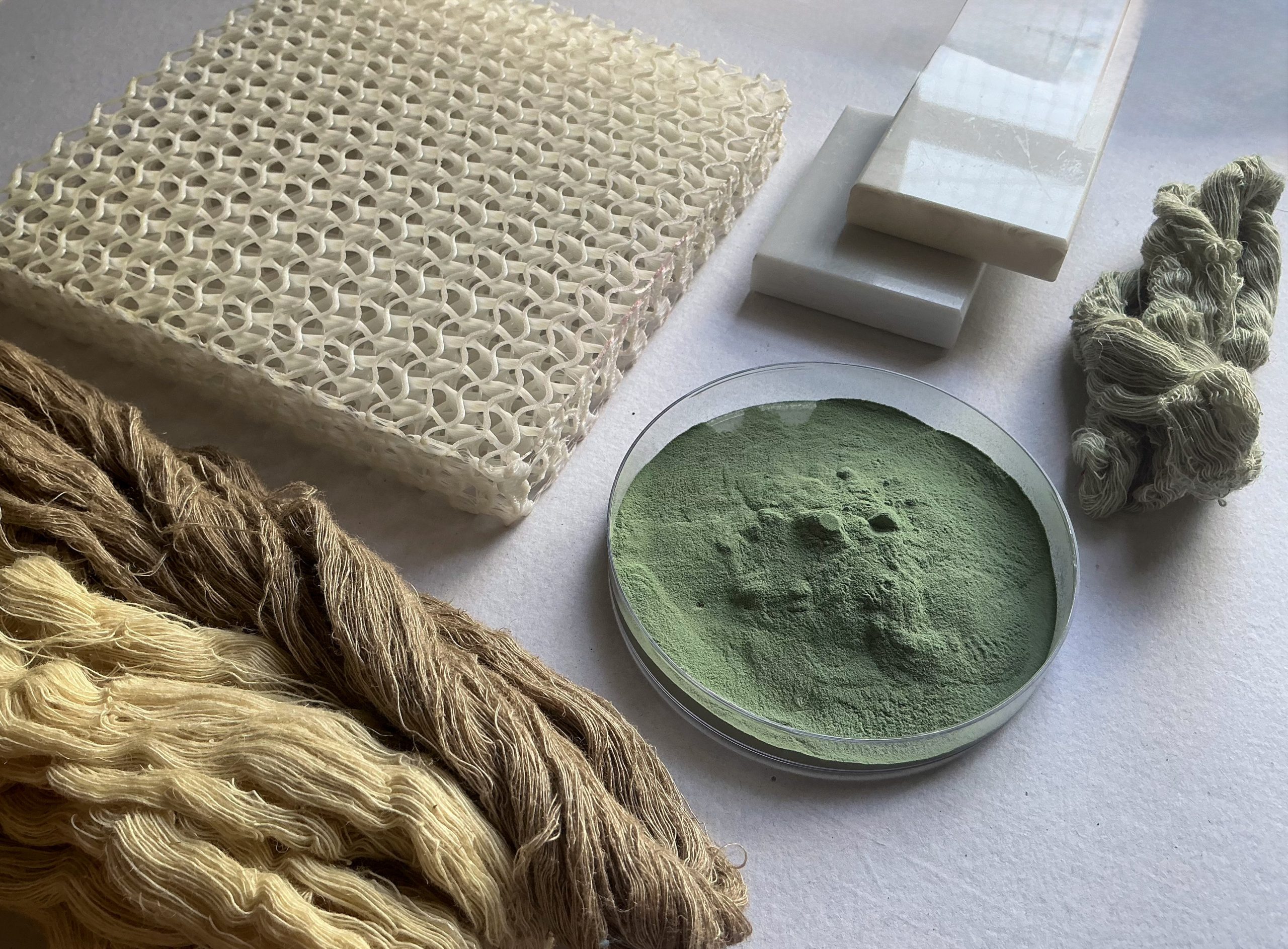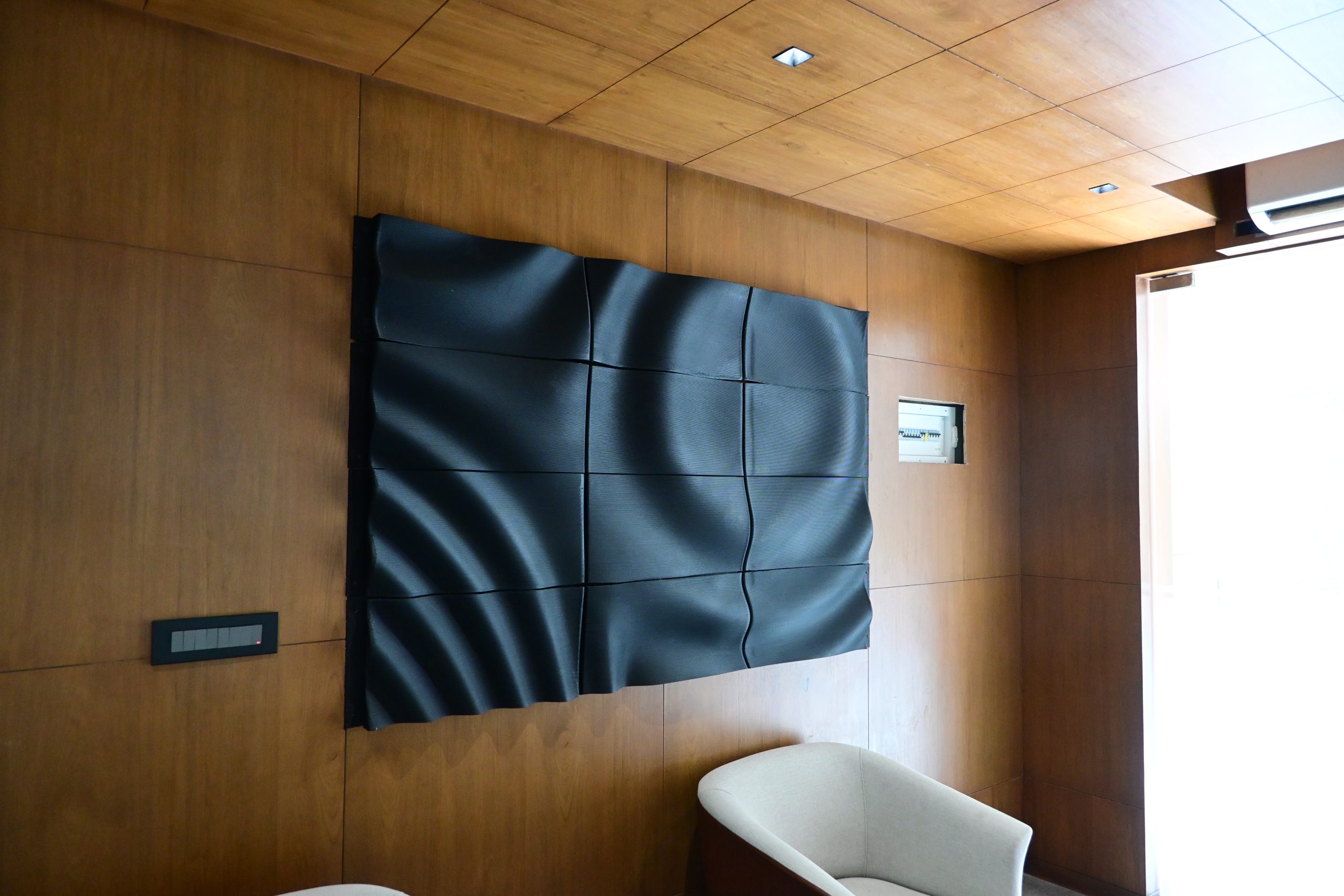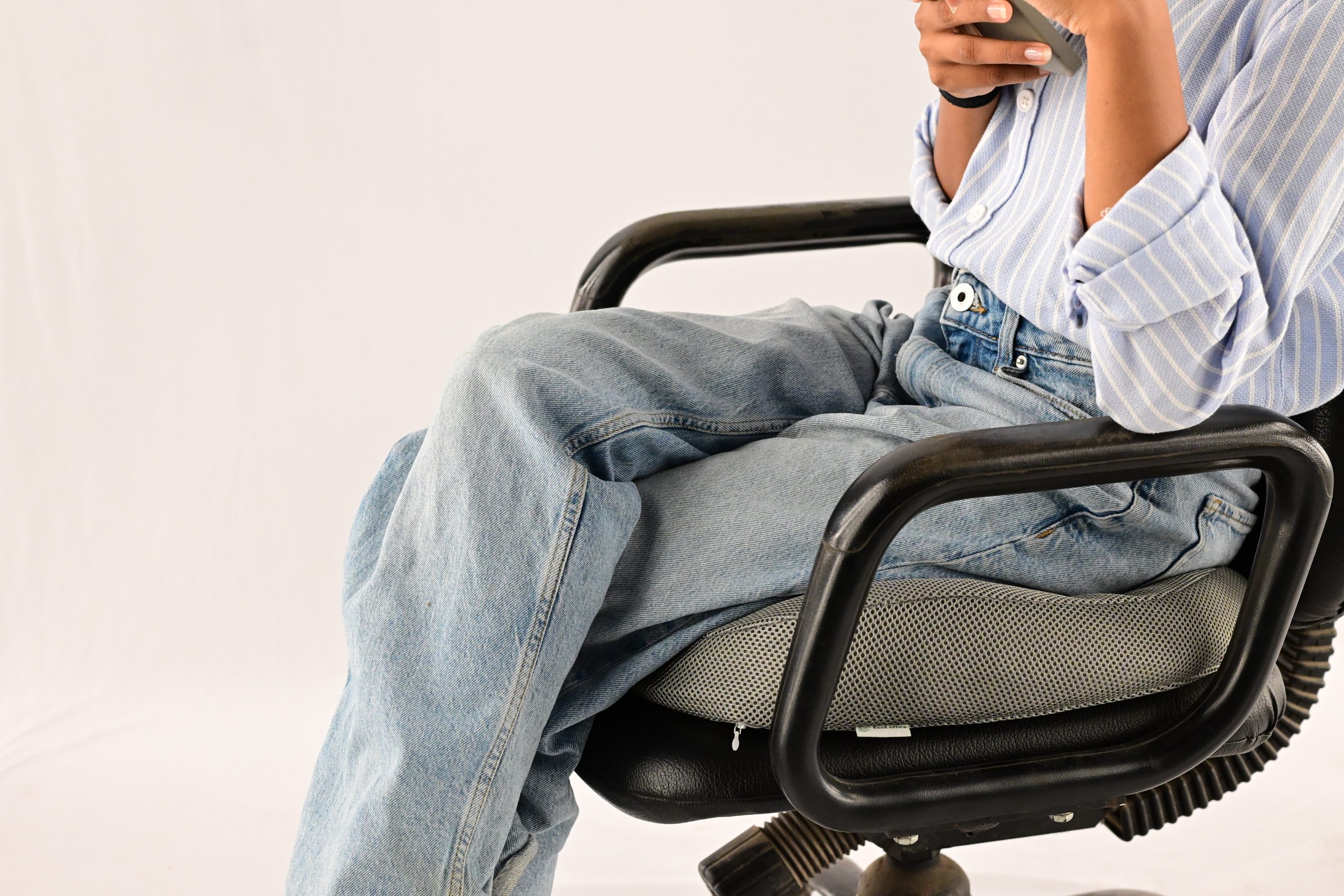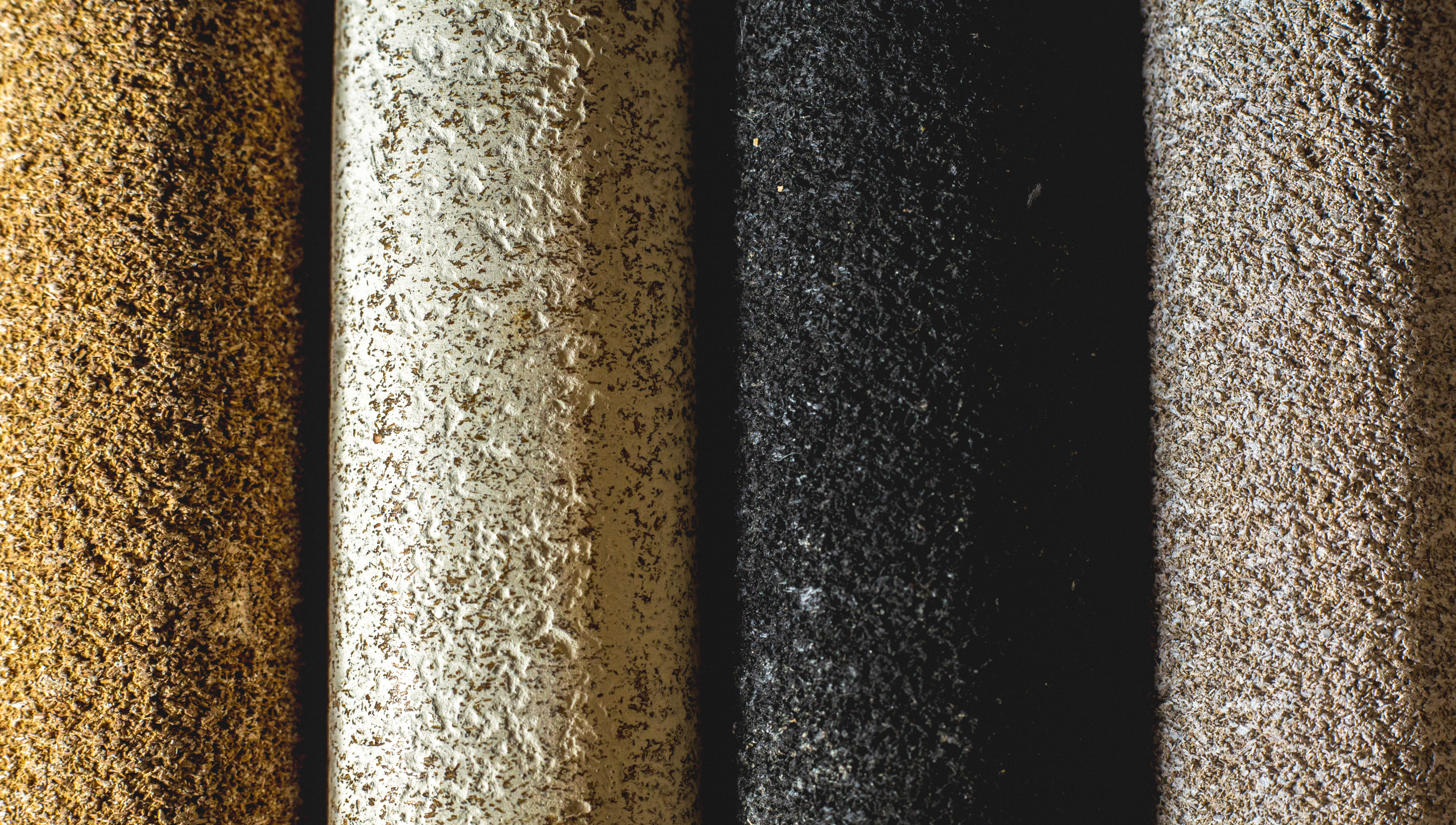
Materials are often judged by what they can do: strength, density, flexibility, compression, durability, breathability, weight, and thermal performance. These qualities matter because they define how a product behaves over time. But material experience is not only technical. It is also emotional.
Before a person understands the engineering behind a material, they respond to how it feels. They notice if a seat gets too warm, if a cushion feels too flat, if a surface feels harsh, if a product feels heavier than expected, or if support disappears after prolonged use. These small responses shape how people feel about quality, comfort, care, and trust.
Comfort Begins with the Body
Comfort is often understood as softness, but true comfort is more layered. A material needs to support the body, distribute pressure, allow movement, manage heat, and hold its form over time.
A surface that is too soft can collapse. A surface that is too rigid can create unwanted pressure points. A material that traps heat can make long-term use uncomfortable, even if it feels pleasant at first.
Through structure, geometry, density, and airflow, materials can be designed to respond more intelligently to the body. They can create support where it is needed, openness where breathability matters, and resilience where repeated use is expected.
For the user, this may not translate into technical language. They may simply feel more at ease.
Colour and Touch as Material Language
The emotional response to a material begins before use. Colour, texture, surface finish, weight, softness, and temperature all influence what people expect from a product.
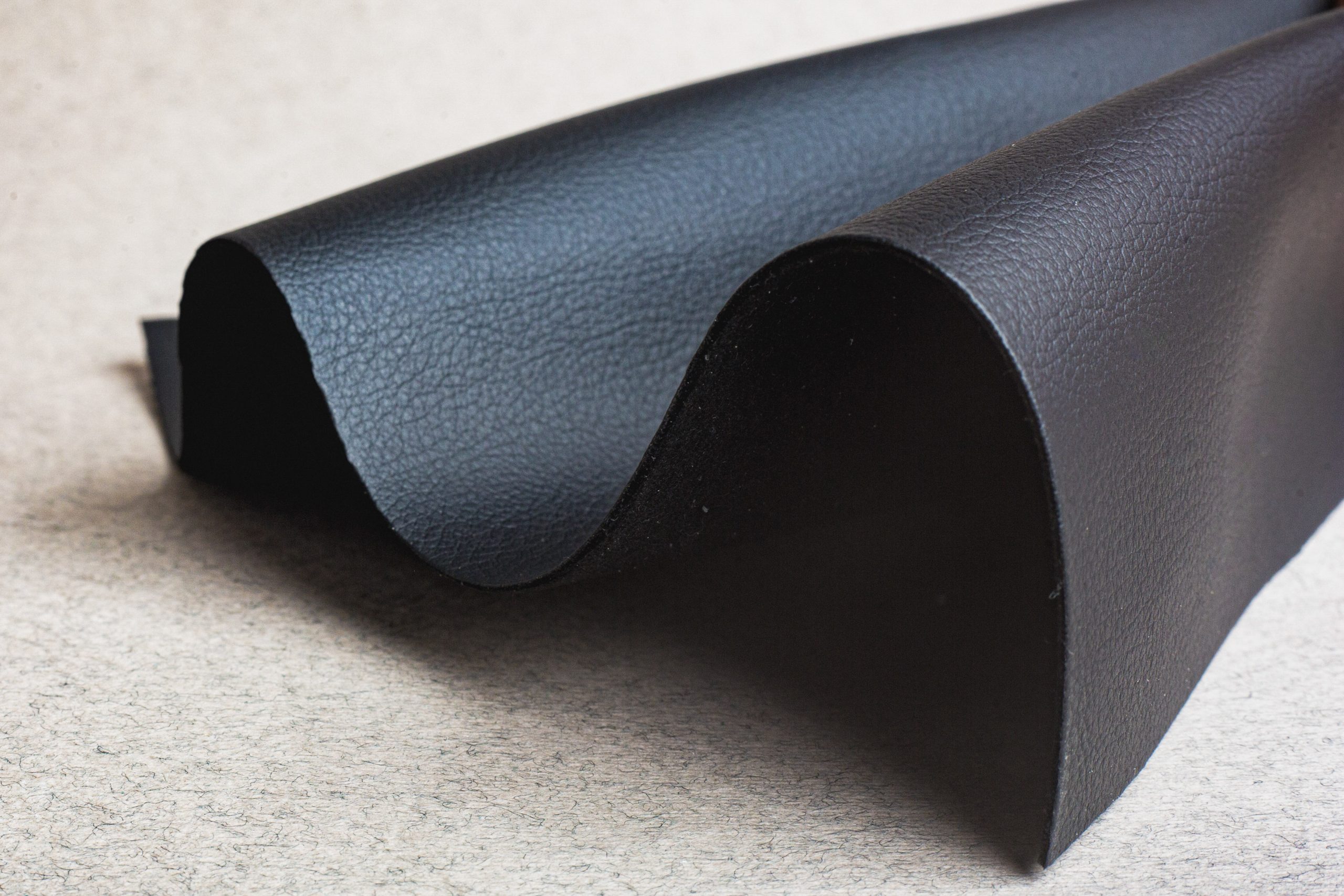
Colour, finish, and surface behaviour work together to shape how a material is experienced. A matte finish can make a product feel calm and grounded, while soft neutral colours can suggest comfort, care, and ease. Brighter or more technical colours may communicate performance, movement, or innovation. In the same way, a surface that remains cooler to touch can support the feeling of comfort in seating, footwear, bedding, or support products, especially when used for longer periods.
These choices are not decorative afterthoughts. They influence how a product is read, used, and remembered. In automotive interiors, furniture, wellness products, and lifestyle objects, colour and finish help communicate whether something feels premium, medical, warm, technical, natural, soft, or durable.
Better Materials Create Trust
People may not always know the exact composition of a material, but they can sense when something has been designed with attention.
A product that feels lighter to handle, cooler to use, softer to touch, and more supportive over time creates confidence. It tells the user that the material has not only been selected for manufacturing convenience, but for the experience it creates.
At EcoLattice, material innovation is not only about replacing conventional foam or plastic with a new alternative. It is about rethinking what a material should do in the first place. Can it use less volume but offer better support? Can it stay breathable without adding extra layers? Can it be lighter without feeling fragile? Can it respond to the body without losing structure?
These are technical questions, but they are also emotional ones. They influence how people feel, how long they use a product, and how much trust they place in it. When a new material is introduced, there is often hesitation. People need time to understand it, touch it, use it, and believe in it. But as the material moves from experiment to application, and from small-scale use to wider adoption, the emotion around it begins to change. What once felt unfamiliar can slowly become accepted, trusted, and even expected. And for that shift to happen, someone somewhere has to take the first risk.
—Team EcoLattice