As part of NIFT Gandhinagar’s Industry Connect Programme, textile design students collaborated with EcoLattice and Centre for Pastoralism to explore new possibilities for indigenous wool through material innovation. The programme formed part of the academic curriculum, giving students the opportunity to work on a live industry brief while engaging directly with contemporary sustainability challenges.
Materials were sourced through the Desi Oon initiative by the Centre for Pastoralism, which works with pastoral communities across India to revive and reposition indigenous wool within modern design systems. The module encouraged students to rethink wool not as a conventional winter material, but as a versatile, climate-responsive resource suitable for contemporary interiors and product applications.
Rethinking Wool for Contemporary Living
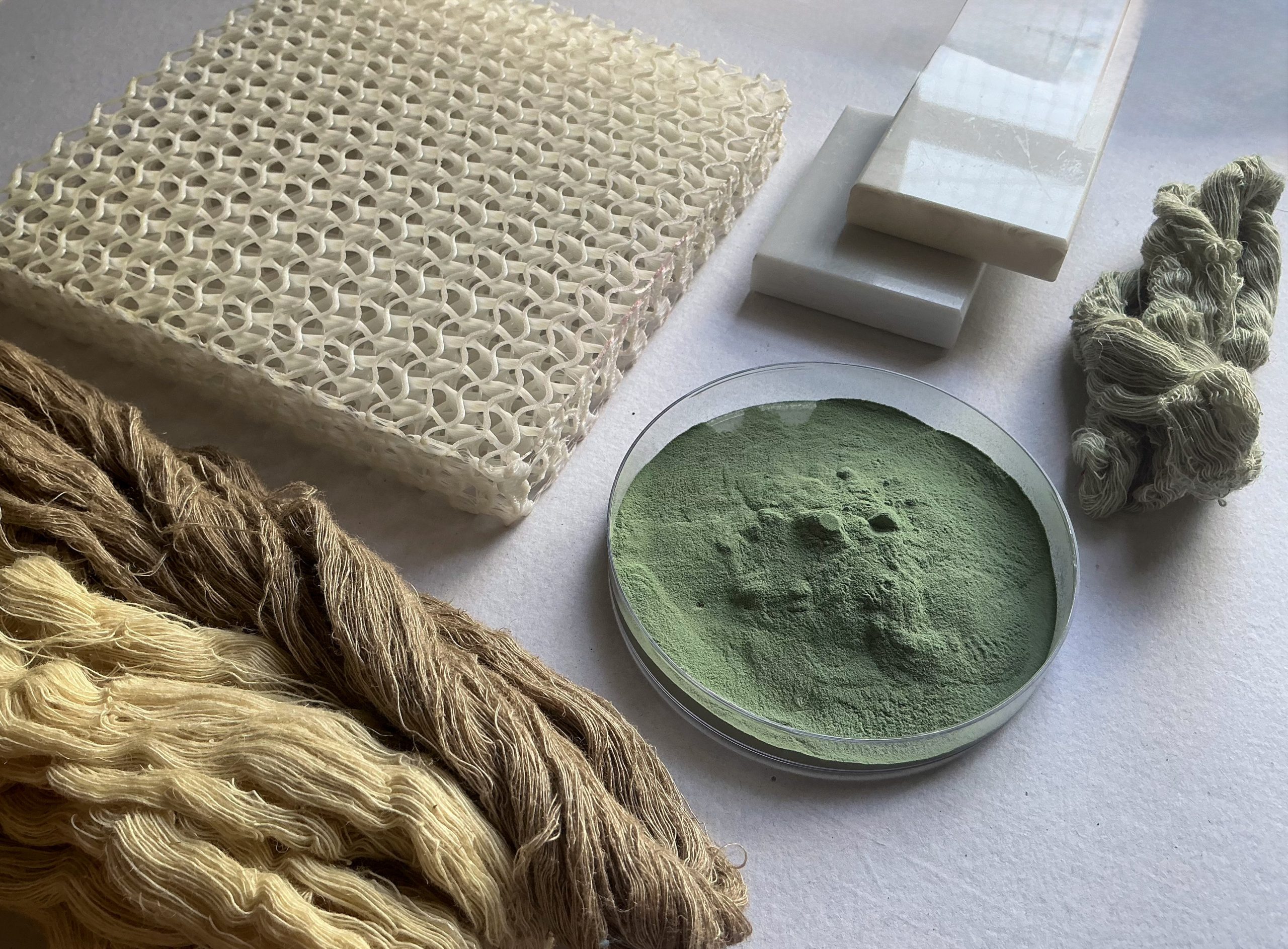
The programme focused on hands-on experimentation through weaving, surface manipulation, layering, and unconventional material applications. Students explored themes such as thermal comfort, acoustic performance, humidity regulation, and circular material systems, translating research into functional and speculative outcomes.
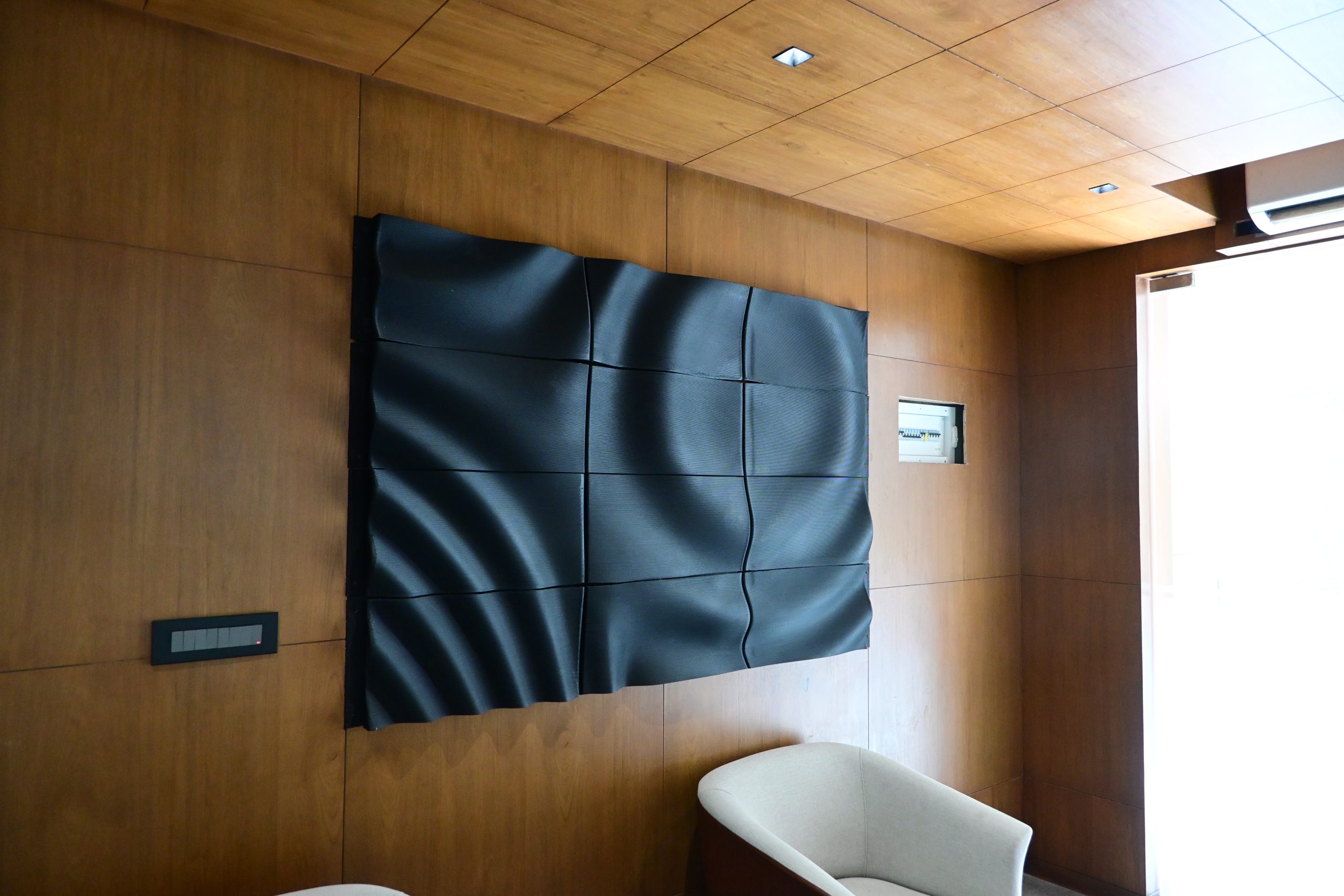
Selected projects included Eva Ghoghari’s breathable wool and terracotta textile for warm-climate interiors, Heer’s wool-based acoustic wall panels, Alisha Vajpayee’s moisture-responsive bio-wool patches designed for planters, and Riddhima’s lightweight wool curtains developed for humidity regulation and healthier indoor environments. Each project approached wool through a contemporary lens, challenging existing assumptions around the material and its applications.
From Academic Exploration to Public Showcase
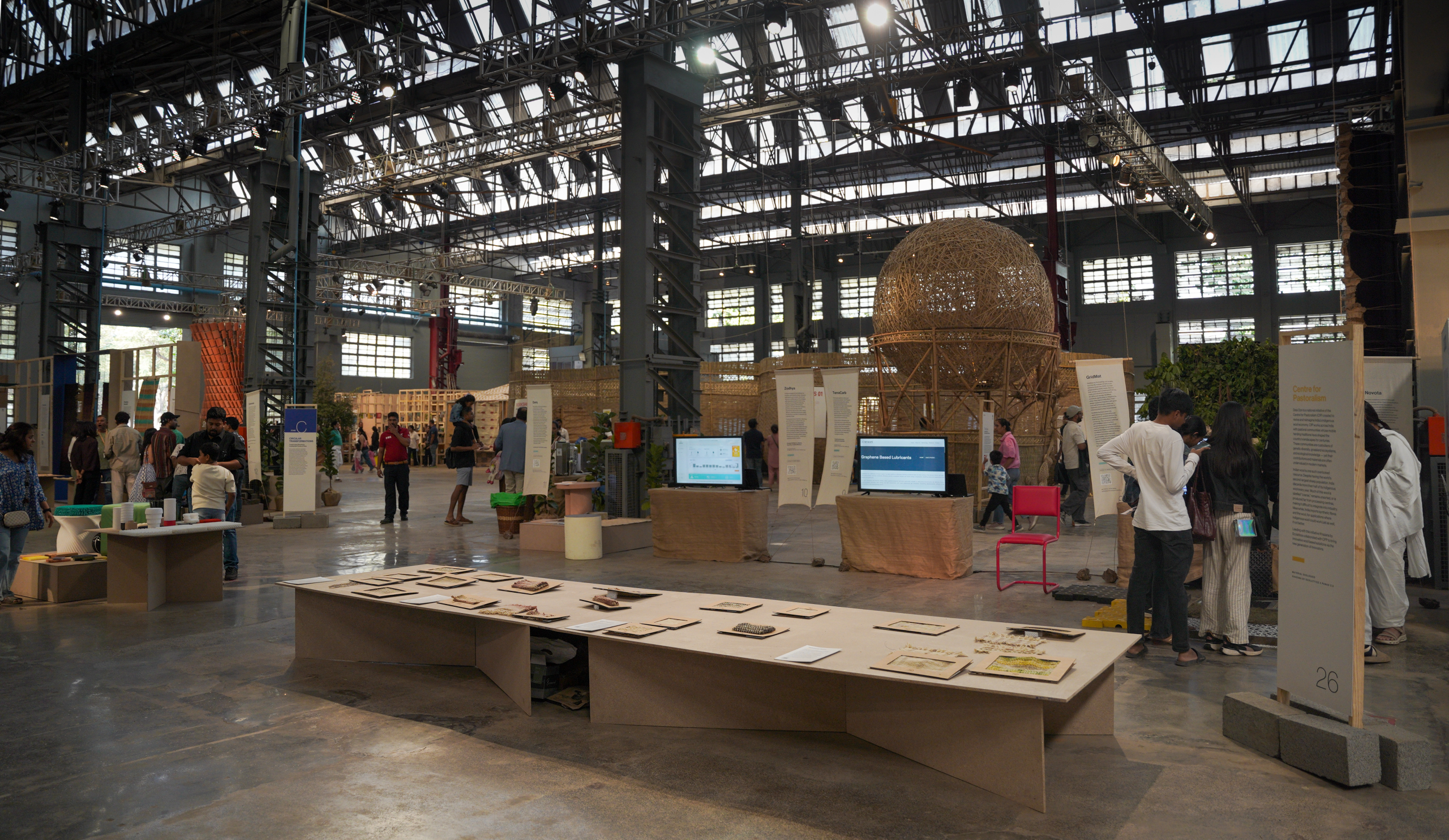
Winning student projects were later showcased at the Godrej Conscious Collective under the theme Reclaiming Cool. The exhibition created a platform where academic exploration could intersect with larger conversations around sustainability, climate-responsive design, and material futures.
The collaboration highlighted how industry partnerships can extend learning beyond classrooms, enabling young designers to engage with real-world material systems while contributing to broader conversations around innovation, ecology, and the future of Indian design.
—Team EcoLattice