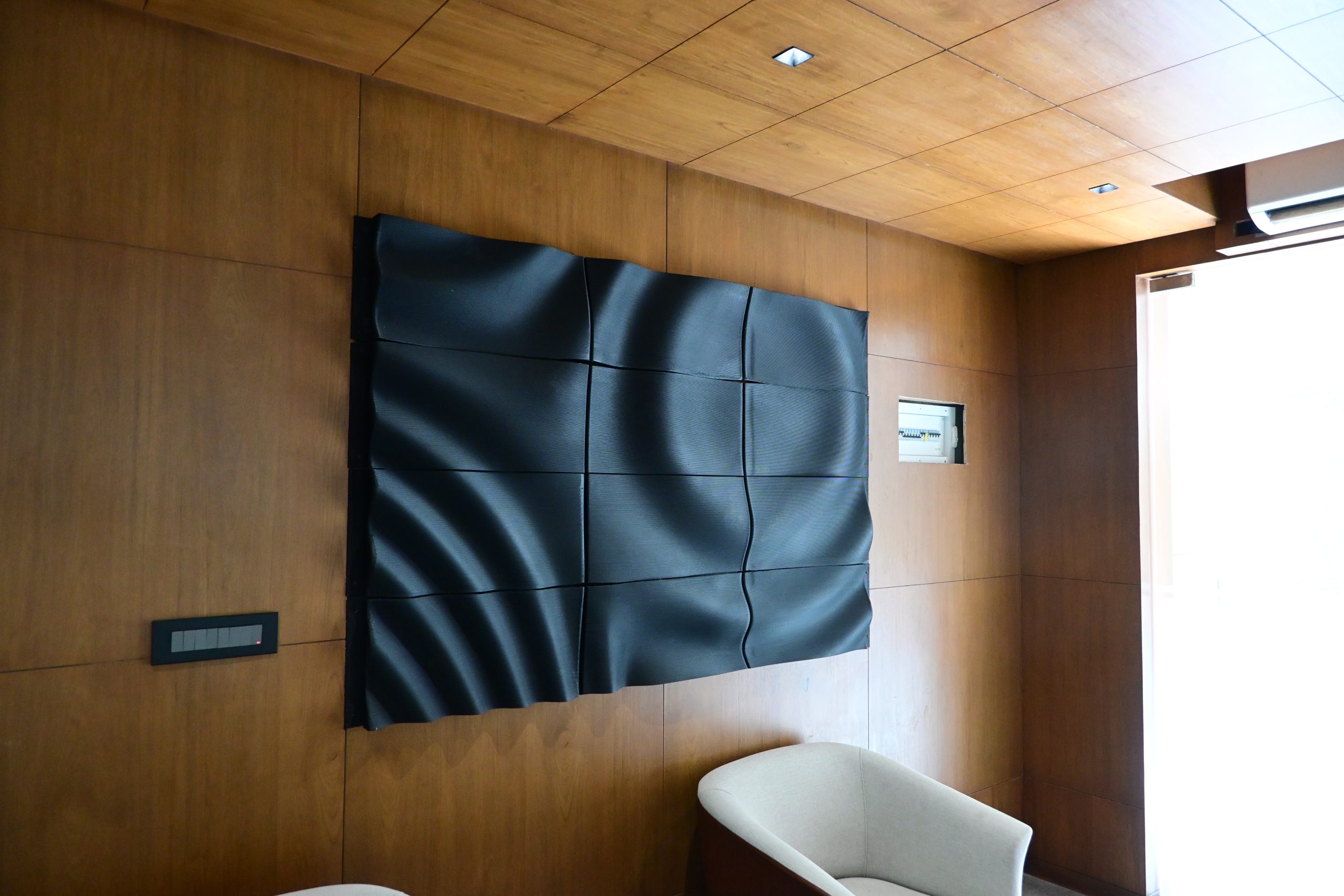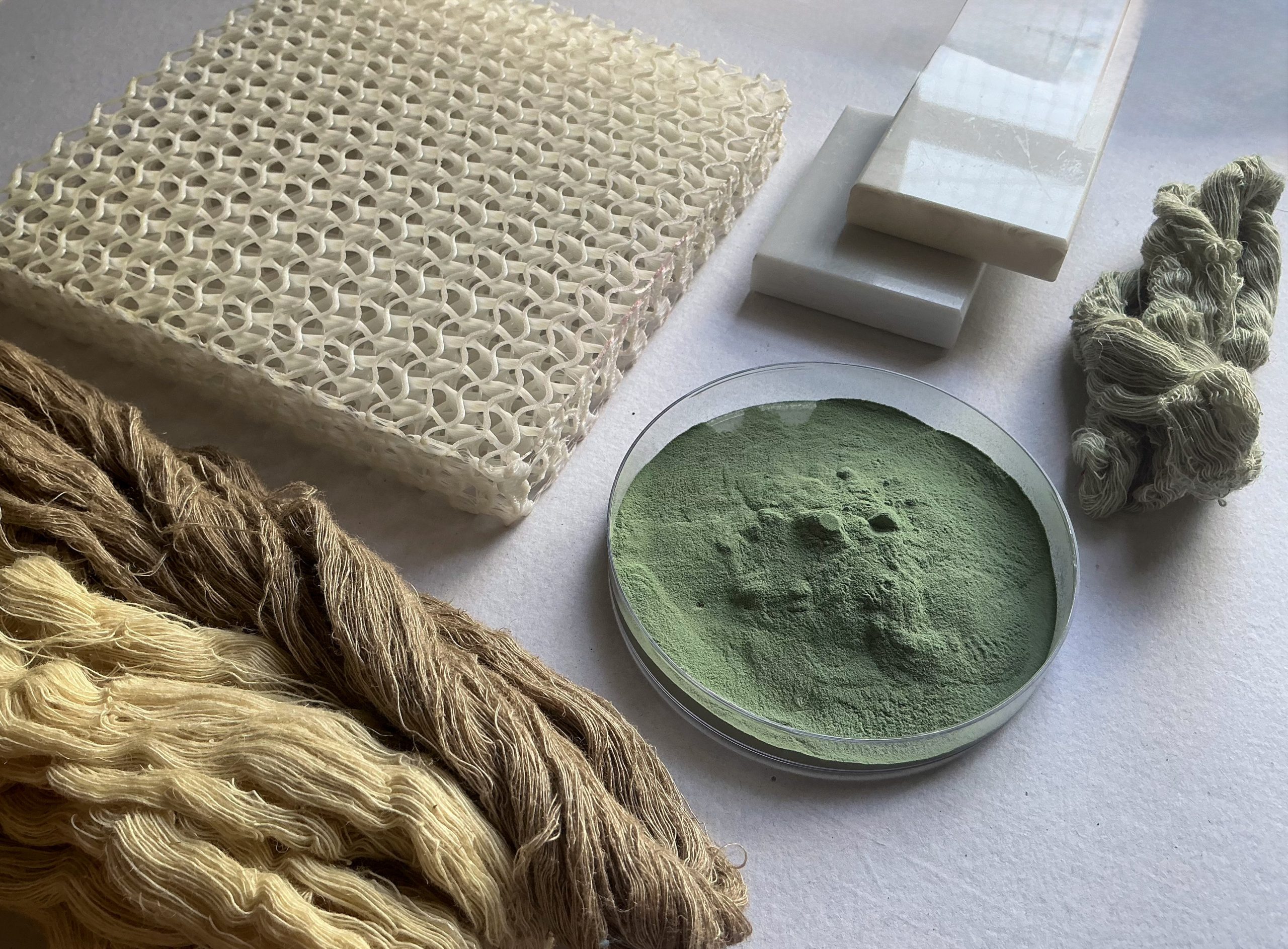
In conversations around sustainability, materials are often placed into two separate categories: natural or engineered. Natural materials are seen as honest, pure, and responsible. Engineered materials are often seen as artificial, industrial, or less desirable.
But this way of thinking is too simple.
Wood, stone, cork, bamboo, recycled polymers, bio-composites, and engineered lattices do not answer the same question. They behave differently, perform differently, age differently, and belong in different contexts. The real question is not whether a material is natural or engineered. The question is whether it is appropriate for its purpose.
Materials Should Not Compete Without Context
Wood brings warmth, tactility, grain, and familiarity. Stone brings permanence, weight, and a sense of grounding. Natural fibres can offer softness, texture, and cultural memory. Engineered lattices, on the other hand, can be tuned for airflow, pressure distribution, flexibility, support, and material efficiency.
These materials are not always competing with each other. They are solving different problems.
A chair, a cushion, a wall panel, a mobility product, and a wellness accessory do not need the same material logic. Some need emotional warmth. Some need structural strength. Some need cleanability. Some need softness and recovery. Some need to reduce pressure on the body over long hours of use.
A considered design approach begins by understanding what the product needs to do, not by choosing a material because it belongs to a preferred category.
The False Divide Between Natural and Engineered
Natural does not automatically mean sustainable, and engineered does not automatically mean harmful.
A natural material can still be over-extracted, transported across long distances, chemically treated, difficult to repair, or used in a way that shortens its life. Similarly, an engineered material can be recyclable, lightweight, durable, mono-material, and designed to reduce waste during production.
Sustainability depends on the full system around the material. It includes sourcing, processing, production, performance, lifespan, repair, reuse, recyclability, and end-of-life. A material cannot be judged only by how it begins. It also has to be judged by how it behaves, how long it lasts, and what happens after use.
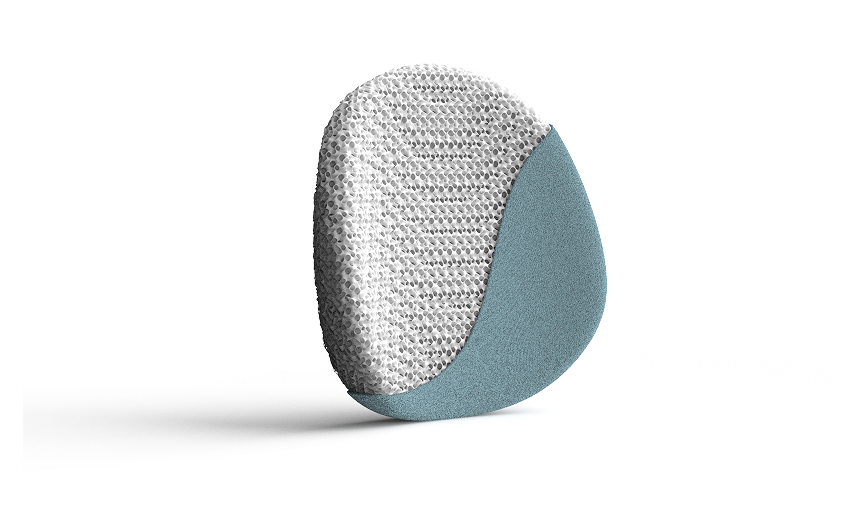
At EcoLattice, we see engineered materials as part of this larger conversation. When used with intention, they can help reduce excess, replace multi-layered foam assemblies, support circular material flows, and create products that perform with less material.
Consumption Is the Real Question
The debate between natural and engineered materials often distracts from a larger issue: how much we consume, how quickly we discard, and how rarely products are designed for continuity.
A sustainable future does not depend on choosing only one kind of material. It depends on using materials more intelligently.
This means allowing natural materials to do what they do best, while also allowing engineered materials to solve problems that natural materials may not be able to address on their own. It means designing products that last longer, use less material, perform better, and can be responsibly recovered or reused.
A considered material approach is not about purity. It is about purpose.
Wood, stone, fibres, recycled polymers, and engineered lattices can all belong in a sustainable design language when they are used with care, context, and accountability.
The better question is not “natural or engineered?”
It is “why this material, for this purpose, in this system?”
—Team EcoLattice