For a long time, premium was associated with status. It was visible through price, branding, rarity, and surface appeal. A product felt premium because it looked expensive, belonged to a certain category, or carried a sense of exclusivity.
But the meaning of premium is changing.
Today, people are beginning to ask different questions before they buy. Where does this material come from? How long will it last? Can it be repaired, reused, or recycled? Was it made responsibly? Does it offer real value beyond the first impression?
Responsibility Is Becoming Desirable
Premium is no longer only about what a product says about the person who owns it. It is also about what the product says about the choices behind it.
Responsibility, material transparency, and provenance are becoming important markers of value. People want to know the story of what they are bringing into their homes, onto their bodies, and into their daily routines. The source of a material, the way it is processed, and what happens to it at the end of its life are now part of how quality is understood.
This does not make premium less aspirational. It makes it more conscious.
Value Is Moving Beyond the Surface
The cultural idea of luxury is shifting from excess to intention. A product does not need to be louder, heavier, or more wasteful to feel premium. It needs to be considered.
This means better materials, smarter construction, lower waste, and design decisions that are visible not only in appearance but in performance. A premium product today is one that feels good, works well, lasts longer, and carries a clearer sense of purpose.
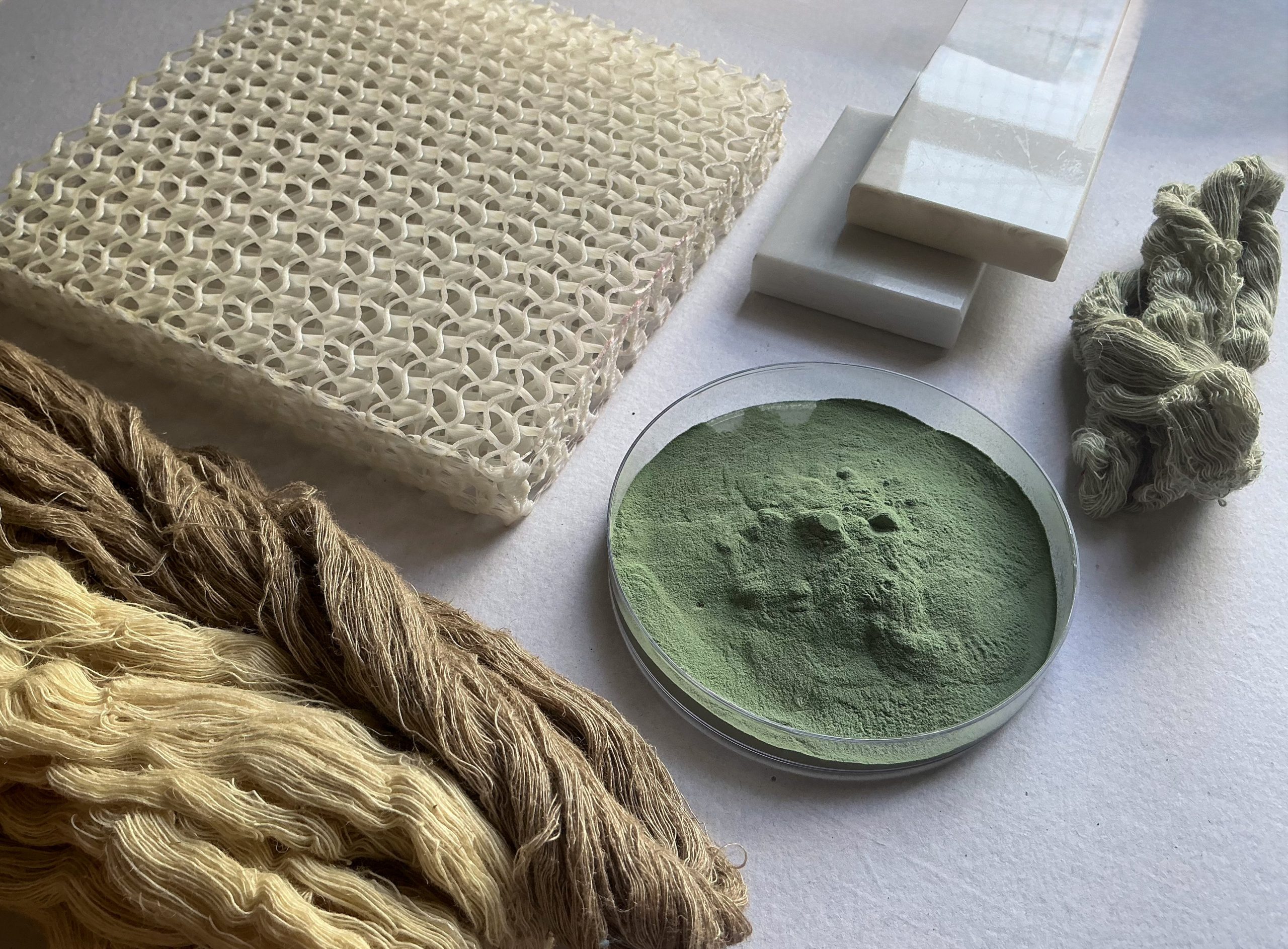
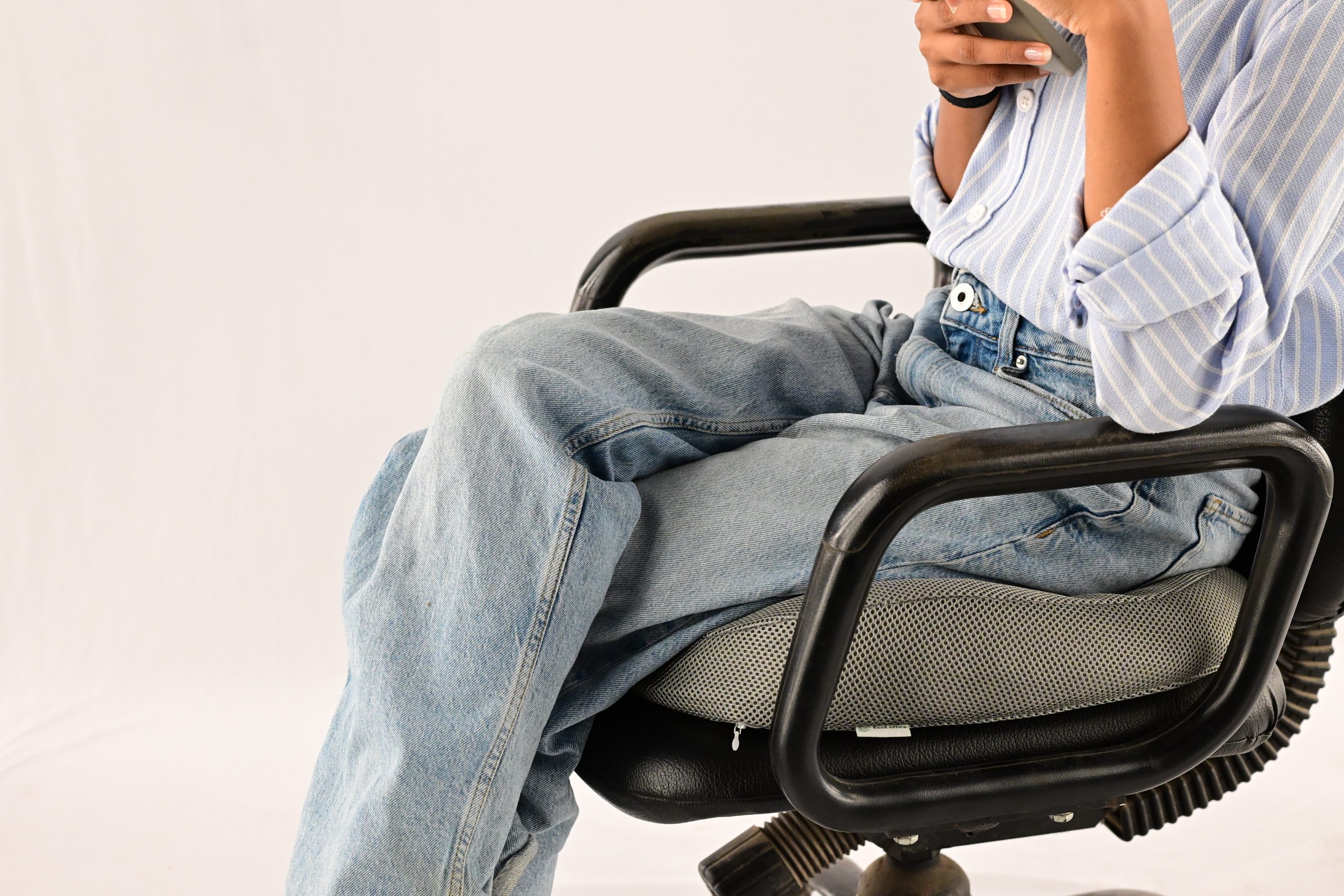
At EcoLattice, this shift is central to how we think about material innovation. We believe value can be created through responsible systems, not just refined surfaces. A product can feel premium because it is breathable, durable, recyclable, intelligently engineered, and made with less material waste.
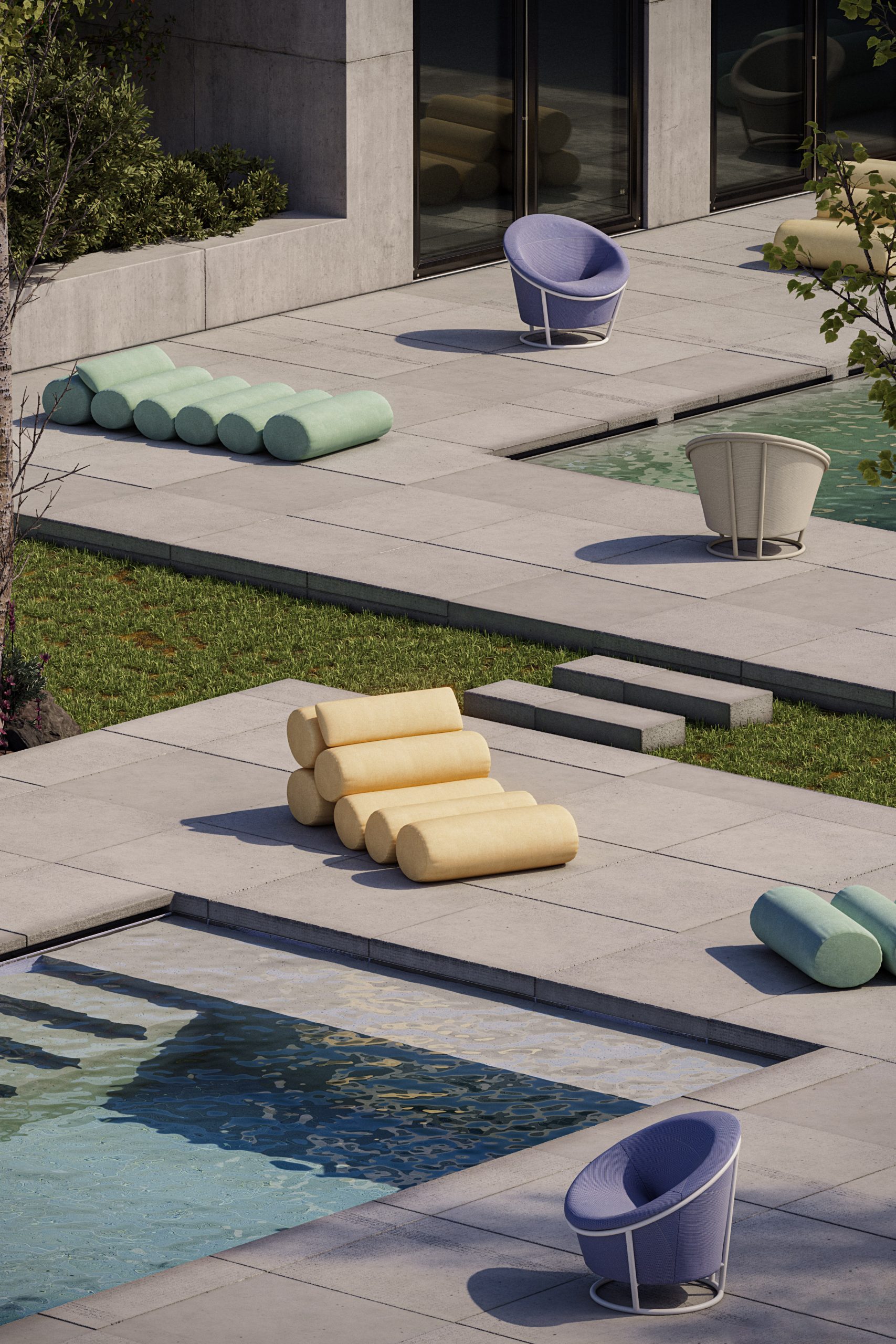
Longevity Is the New Signal of Quality
Disposability is losing its appeal. When products wear out quickly, collapse under use, or become difficult to recycle, their value fades even if they looked premium at the start.
Longevity now signals care. It shows that a product has been designed to stay useful, relevant, and reliable over time. It also changes the relationship between people and products. Instead of buying more often, people are beginning to buy better.
For us, the new meaning of premium lies in this balance: comfort with responsibility, performance with longevity, and material innovation with a clearer end-of-life thinking.
Premium is no longer just about owning more.
It is about choosing better.
—Team EcoLattice