For a long time, comfort was understood through one simple idea: softness. A cushion was considered comfortable if it felt soft at first touch, compressed easily, and created an immediate sense of ease. But as the way we live, work, travel, and rest continues to change, comfort can no longer be measured by softness alone.
Softness Is Only the First Impression
A product may feel soft in the beginning, but if it traps heat, collapses under pressure, loses shape, or creates discomfort after long use, it is not truly comfortable.
Today, comfort is becoming a more complete system. It is about how a product supports the body over time, how it manages pressure, how it allows air to move, how it responds to repeated use, and how hygienic and durable it remains across its life cycle.
Comfort Needs to Work With the Body
Modern comfort needs to understand where the body needs support, where it needs relief, and where airflow becomes important. It also means designing materials that can perform differently across different zones instead of offering one uniform response everywhere.
Across categories like seating, wellness products, mobility aids, footwear, and interiors, comfort is now being redefined through structure and performance. Pressure distribution, breathability, recovery, cleanability, and long-term resilience are becoming as important as touch and softness.
The question is no longer only “how soft does it feel?” but “how well does it support the body through use?”
Designing Comfort as a System
We see comfort as an engineered experience, shaped through geometry, density, material behaviour, and responsible production.
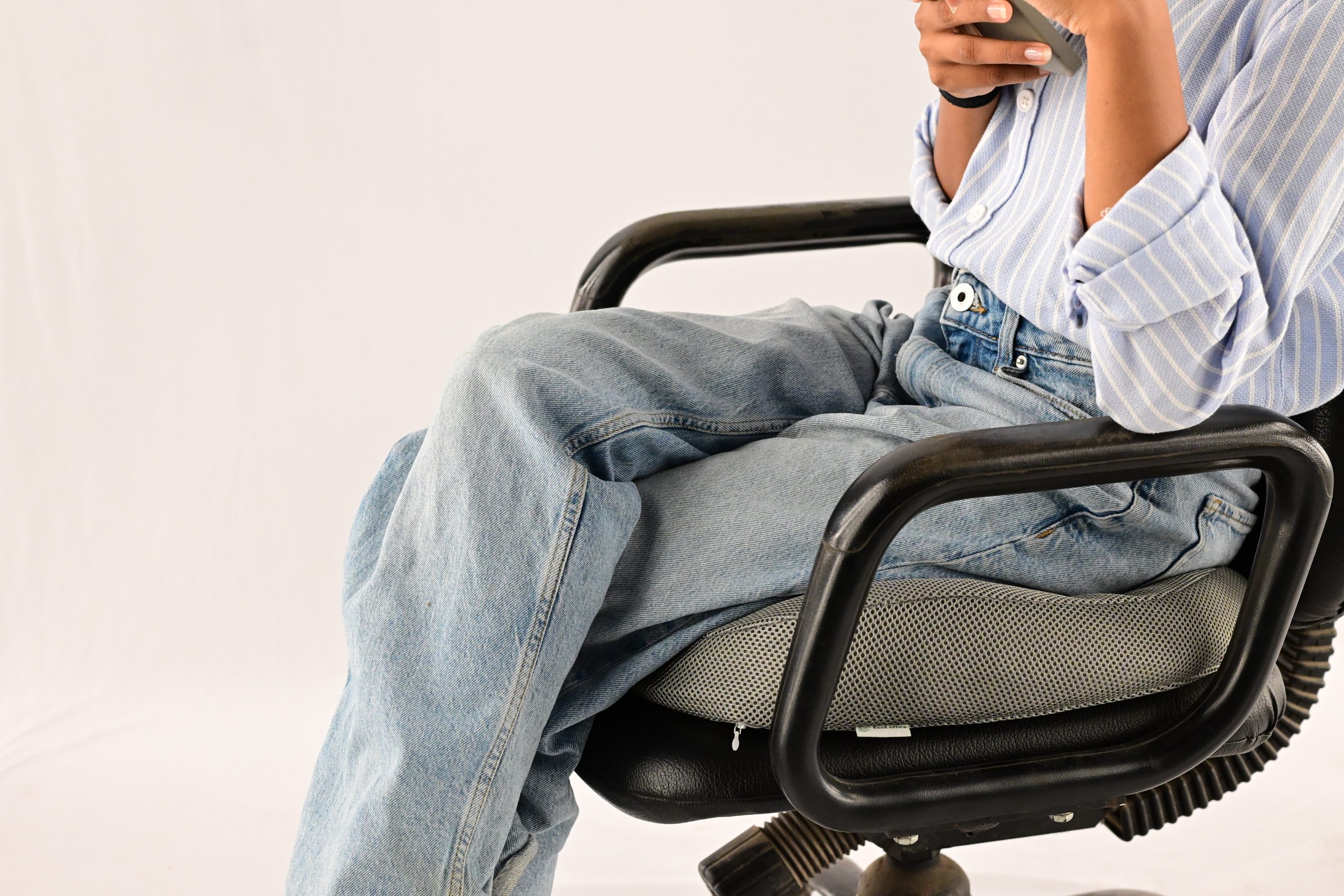
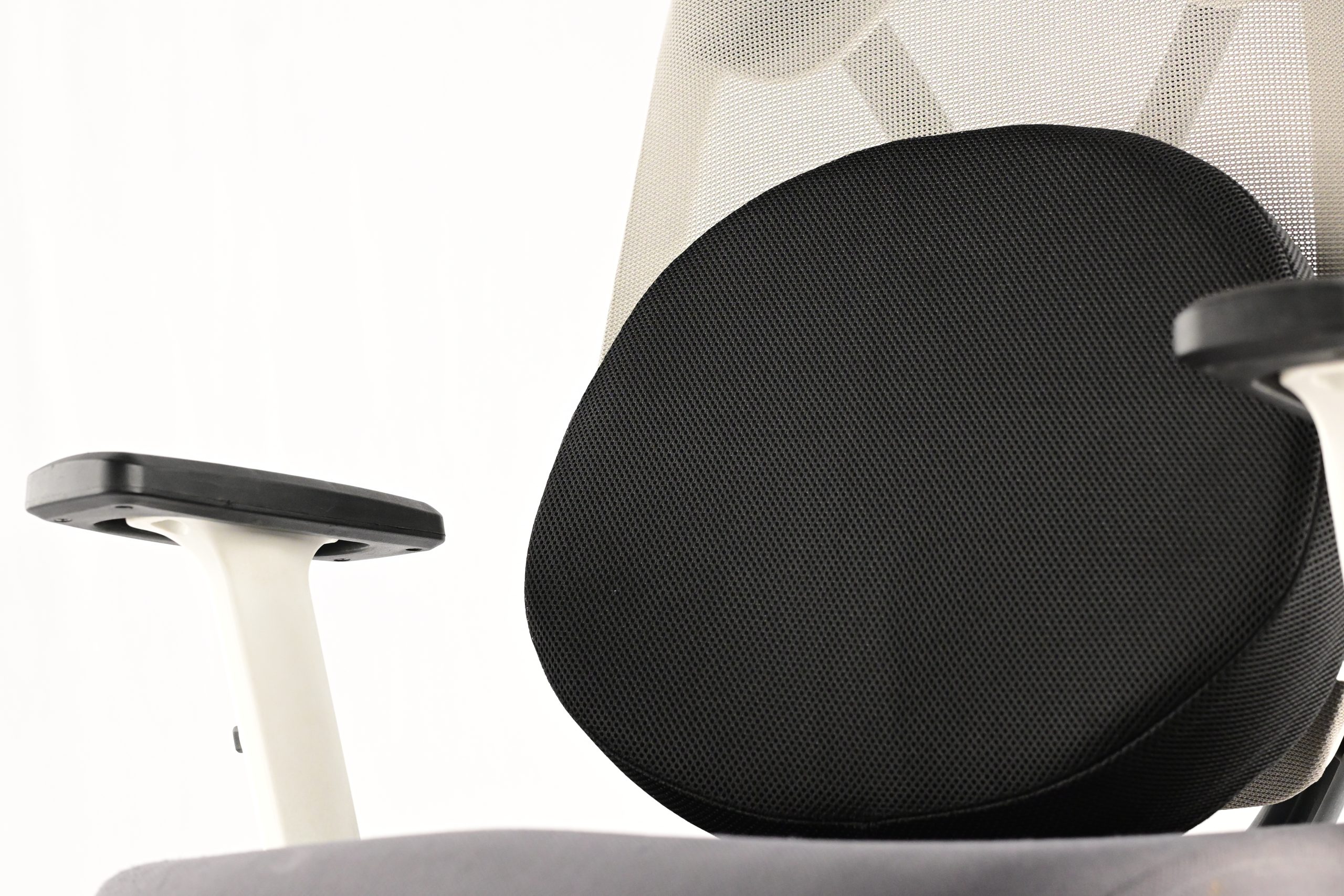
This thinking comes together in the Ergo Collection, a range of wellness products designed to support everyday comfort across different postures and routines. From back support and lumbar support to neck pillows, seat cushions, insoles, and heel pads, each product is developed around the way the body carries pressure through the day.
Powered by EcoLattice™ Technology, the collection uses a breathable gyroid lattice made from recycled TPU. The structure allows comfort to be tuned across zones, offering softness where relief is needed and firmer support where stability matters. It also encourages airflow, reduces heat build-up, and moves away from conventional foam-based cushioning.
The Ergo Collection is not just about making products feel softer. It is about making comfort more responsive, durable, breathable, and better suited to modern lifestyles.
Comfort has moved beyond cushioning because people now need products that do more. They need materials that support longer working hours, sedentary routines, recovery, travel, movement, and everyday wellbeing.
Softness may still be part of comfort. But it is no longer the whole story.
—Team EcoLattice