
The way furniture is designed is undergoing a gradual but significant shift. It is no longer shaped solely by function or appearance, but by how effectively it supports the body over time. This change reflects a broader understanding that comfort is not a fixed attribute. It evolves with movement, duration of use, and individual variation.
As a result, ergonomic design is moving away from static solutions toward systems that can respond to the body more dynamically. Instead of treating furniture as a fixed object, it is increasingly approached as an interface between the body and its environment.
Designing for the Body in Motion
Design is becoming more closely aligned with the realities of human behaviour. Sitting is not a single, stable posture but a continuous process of adjustment. The body shifts weight, changes position, and redistributes pressure over time. For seating to remain effective, it must accommodate this variability rather than resist it.
Beyond the physical, posture is influenced by mood, focus, fatigue, and stress. How we sit changes with how we feel, making comfort not just ergonomic but behavioural where physical support and psychological ease are considered together.
The increasing amount of time spent sitting across work, travel, and daily life has made this approach more urgent. Extended periods of unsupported sitting can lead to fatigue and long term discomfort, while well considered systems can help maintain posture and reduce physical stress. As awareness of these effects grows, expectations from furniture are also changing.
From Uniform Support to Adaptive Systems
A key transition within this domain is the move from uniform support to adaptive behaviour. Conventional furniture often distributes load evenly, without accounting for differences in body pressure or movement. This can result in inconsistent performance over time, particularly in areas subjected to higher stress.
Emerging approaches instead focus on responsiveness. By allowing different regions of a surface to behave differently, support can be distributed more effectively. This enables the system to remain stable even as the body shifts, improving both comfort and durability.
Material Innovation and Integrated Systems
Material development plays a central role in enabling this change. Traditional cushioning systems, typically based on uniform foams, offer limited control over how support is distributed. Their behaviour remains consistent across the surface, which restricts their ability to respond to localized pressure.
In contrast, working with controlled structures and material combinations allows for variation within the system itself. Differences in stiffness, flexibility, and recovery can be introduced across a single surface, creating a more nuanced interaction between the body and the material. In this context, material becomes an active component in shaping comfort.
This approach also opens up possibilities for more responsible material use. By moving toward integrated systems rather than layered assemblies, it becomes possible to reduce material redundancy and explore solutions that are easier to adapt, repair, or recycle.
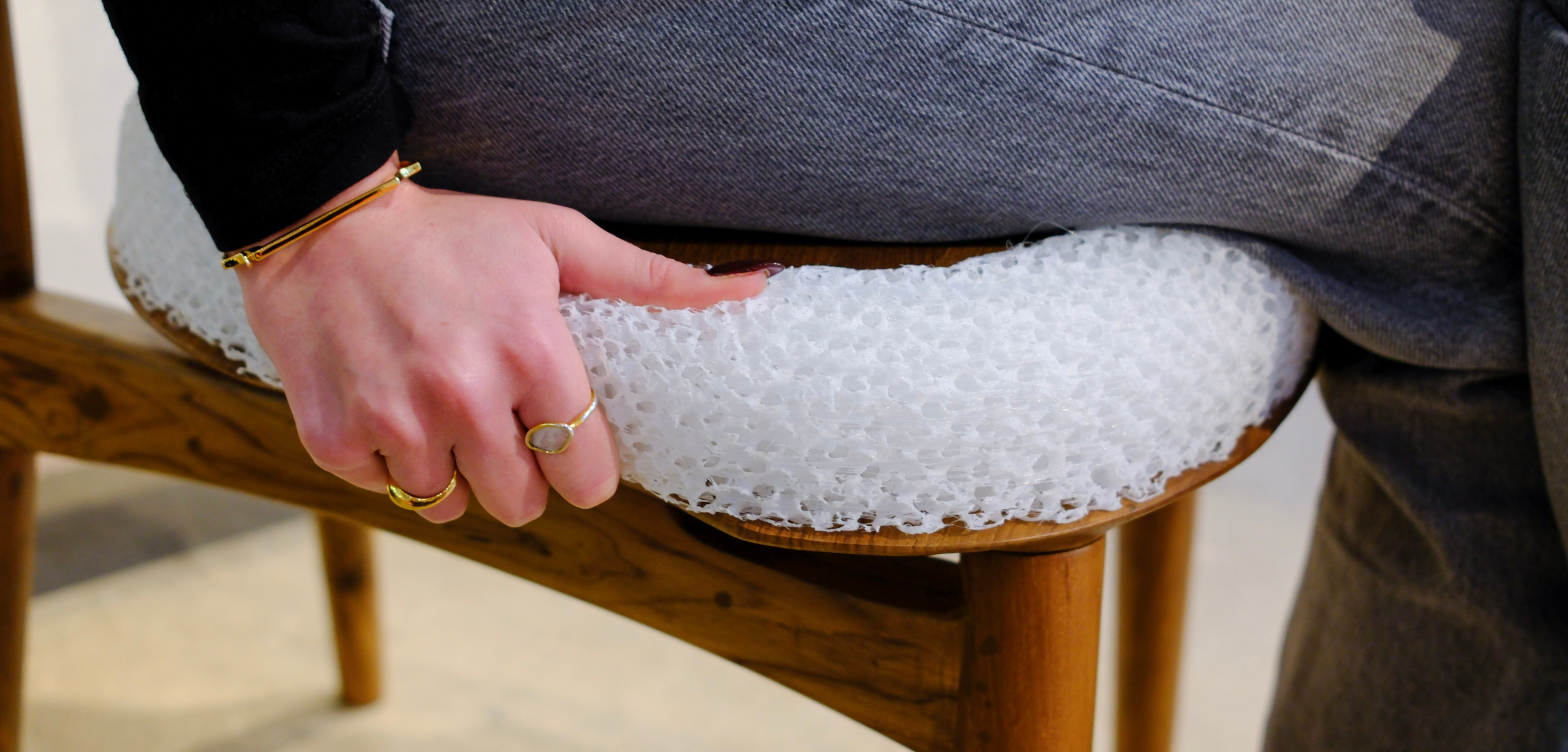
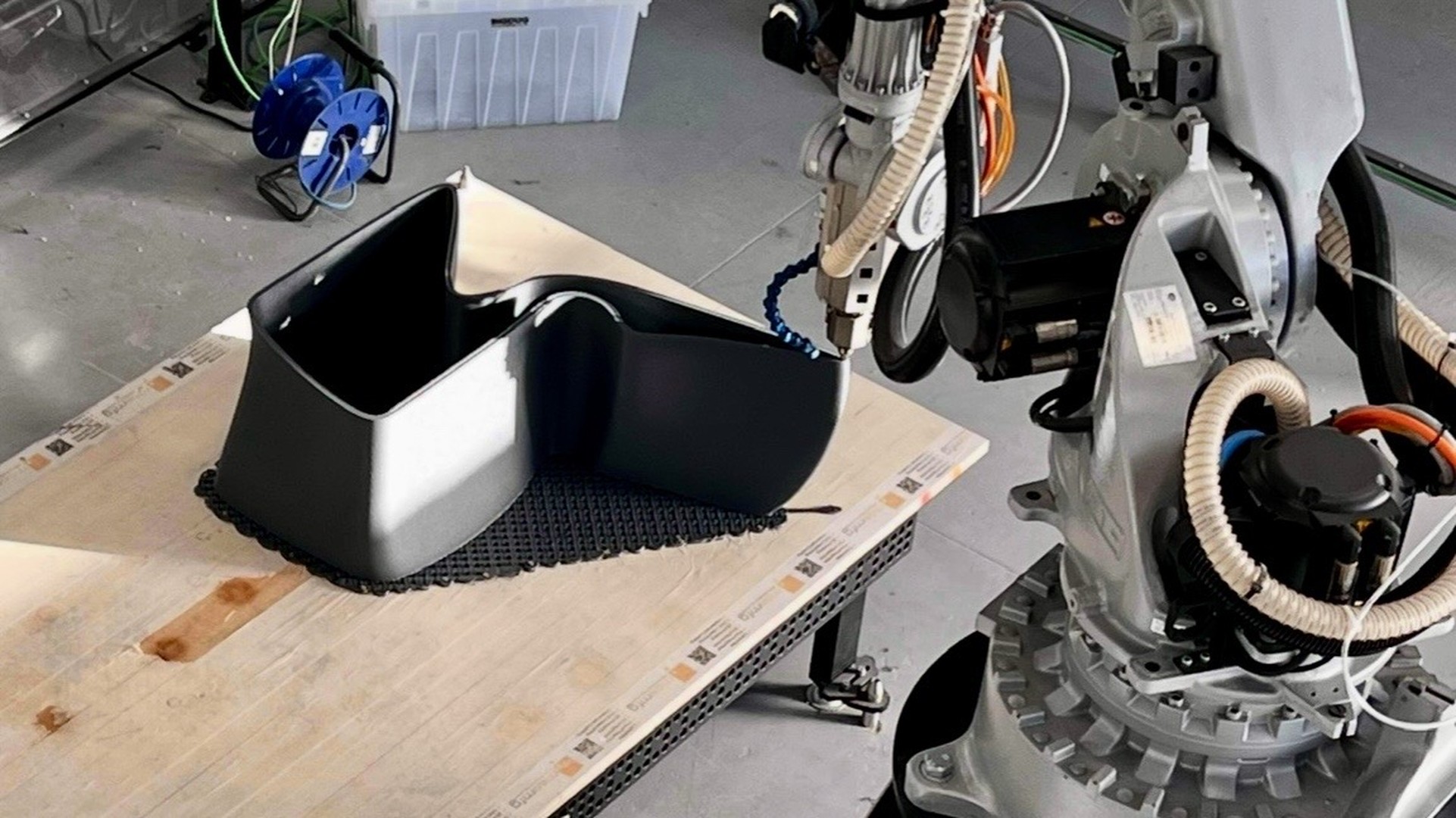
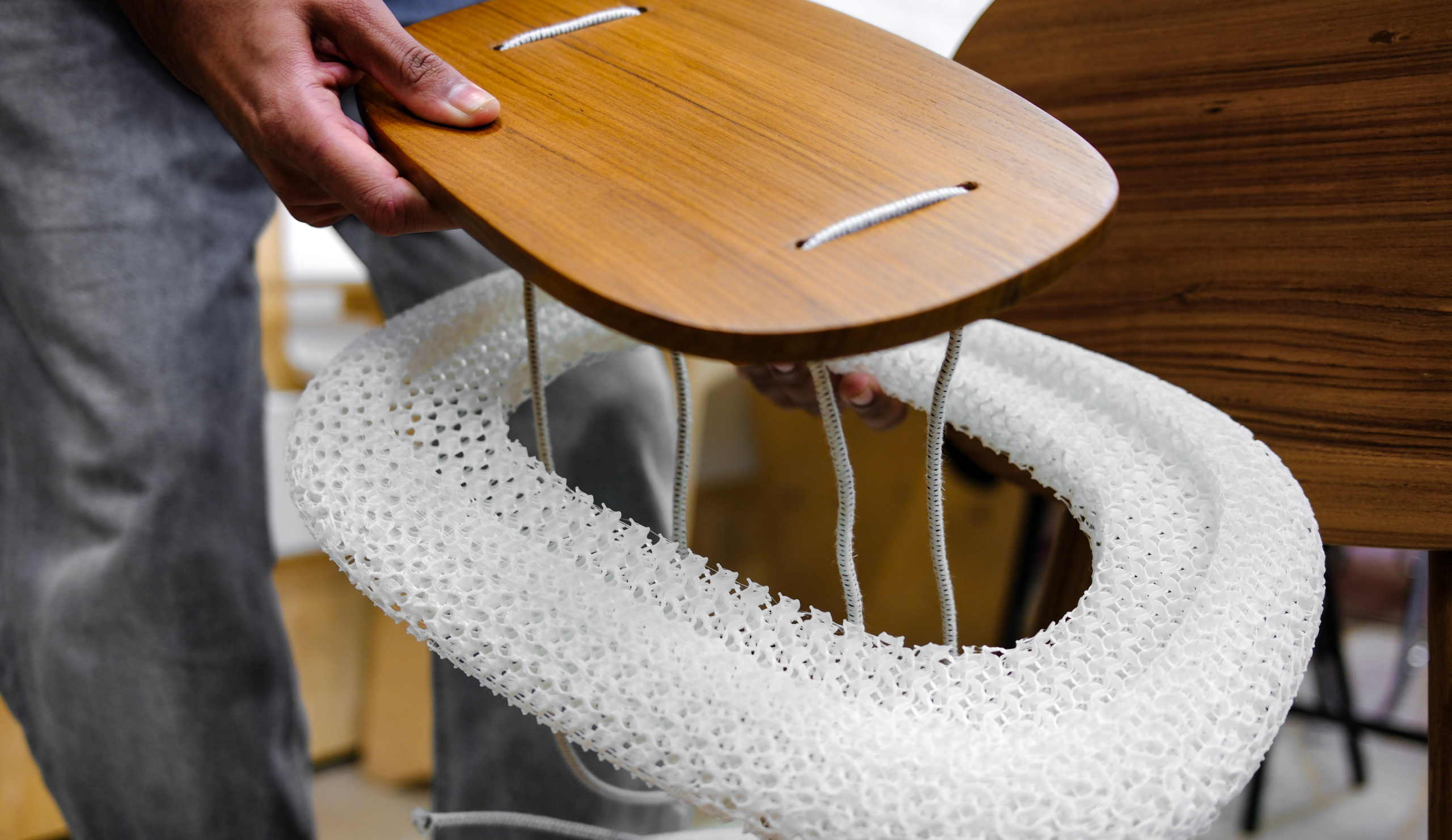
These ideas are reflected upon when we work at EcoLattice, where cushioning is explored as a material system rather than a combination of separate layers. By developing structure and material behaviour together through controlled lattice configurations, the aim is to create seating that distributes support more intelligently and maintains performance over time.
Team EcoLattice