For decades, comfort materials have remained largely unchanged, even as the demands placed on them have evolved. What once worked is now being questioned, creating space for new approaches that rethink both material and system.
A Fundamentally Different Material System
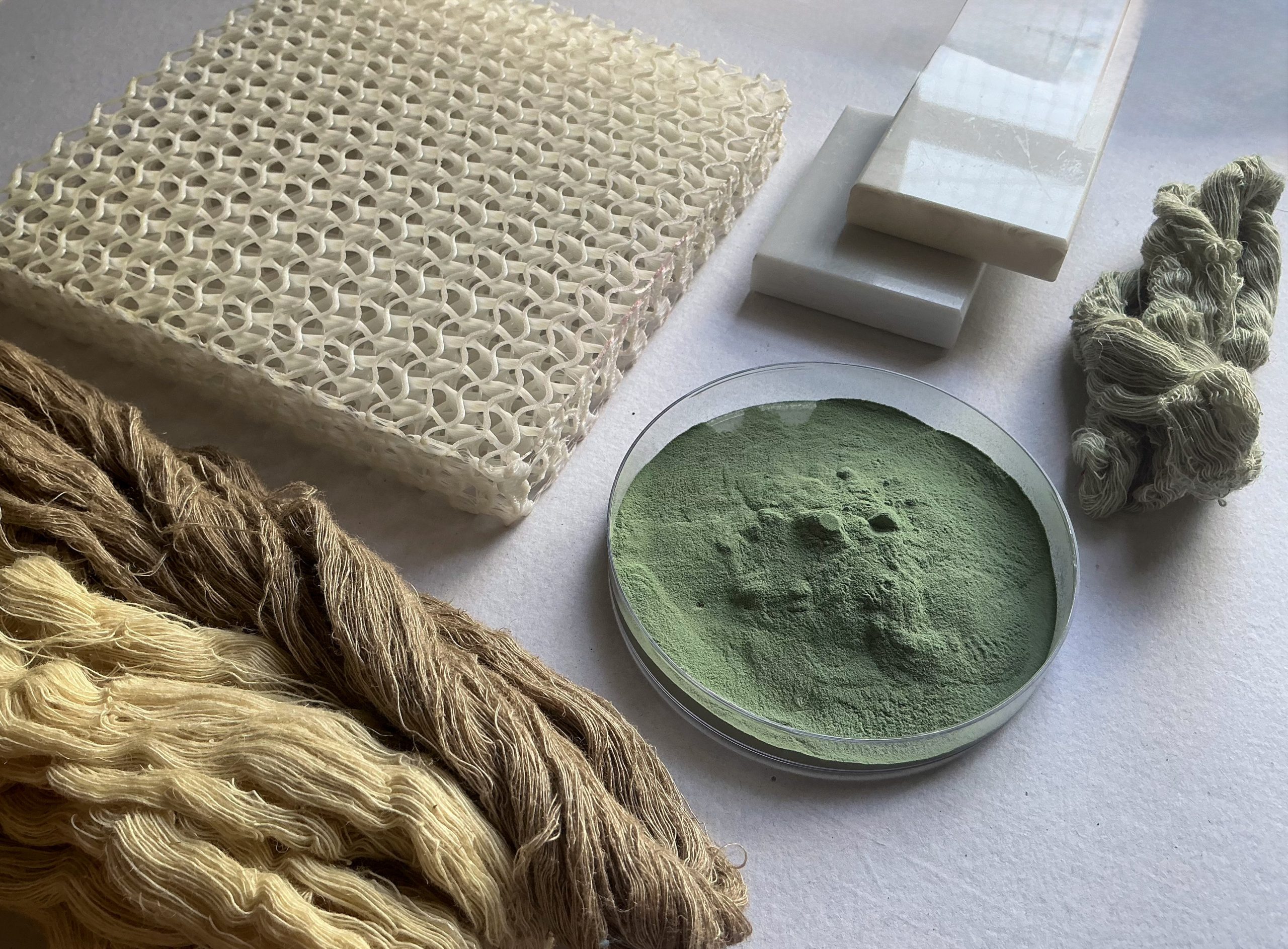
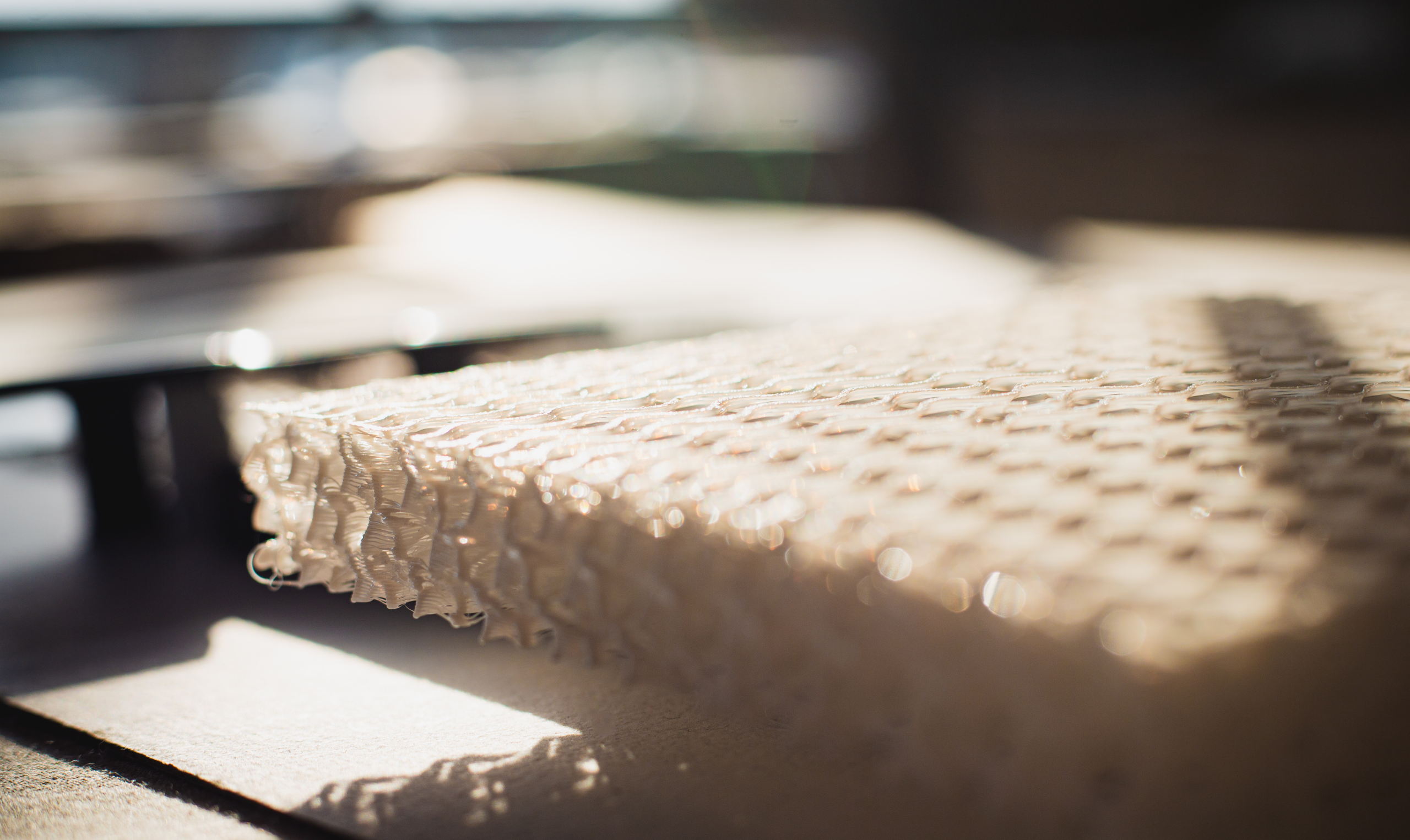
EcoLattice is not built on improving existing foam systems, but on replacing them with a different material approach. EcoLatticeTM Technology operates as a lattice structure rather than a solid mass, allowing properties like density, airflow, and support to be controlled through geometry instead of layering or additional materials. This creates a level of adaptability that conventional foam cannot easily achieve, where performance can be tuned based on use without changing the base material itself.
Designed for Circularity from the Start
In many systems, sustainability is introduced at the end of a product’s life. Here, it is considered from the beginning. Working with thermoplastic polyurethane allows the material to be reheated, reshaped, and reused, making it possible to keep it within a continuous loop. Designing for disassembly and using consistent material streams ensures that products do not become difficult to process once they reach the end of use. This shifts the system away from a linear model and towards one where materials remain in circulation over time.
Precision, Scale, and Application
The manufacturing approach allows for precise control over how material is distributed within a product. Instead of relying on new tooling for every variation, adjustments can be made digitally, enabling different performance outcomes within the same system. This makes it possible to scale across applications, from seating and interiors to automotive and wellness products, without changing the core material platform.
Bridging Design, Industry, and Future Needs
EcoLattice operates between material innovation, design, and manufacturing, allowing it to respond to both technical requirements and user experience. Industry recognition and collaborations reflect this balance, while work across both B2B systems and consumer-facing products helps validate the material in real-world use.
As industries move towards stricter material regulations and more responsible production systems, the need for alternatives becomes more urgent. Rather than adapting to these changes later, we built with these conditions in mind from the start. It is not just about offering a better product, but about building a system where material, process, and design work together to support what comes next.
—Team EcoLattice