Seating Beyond the Surface
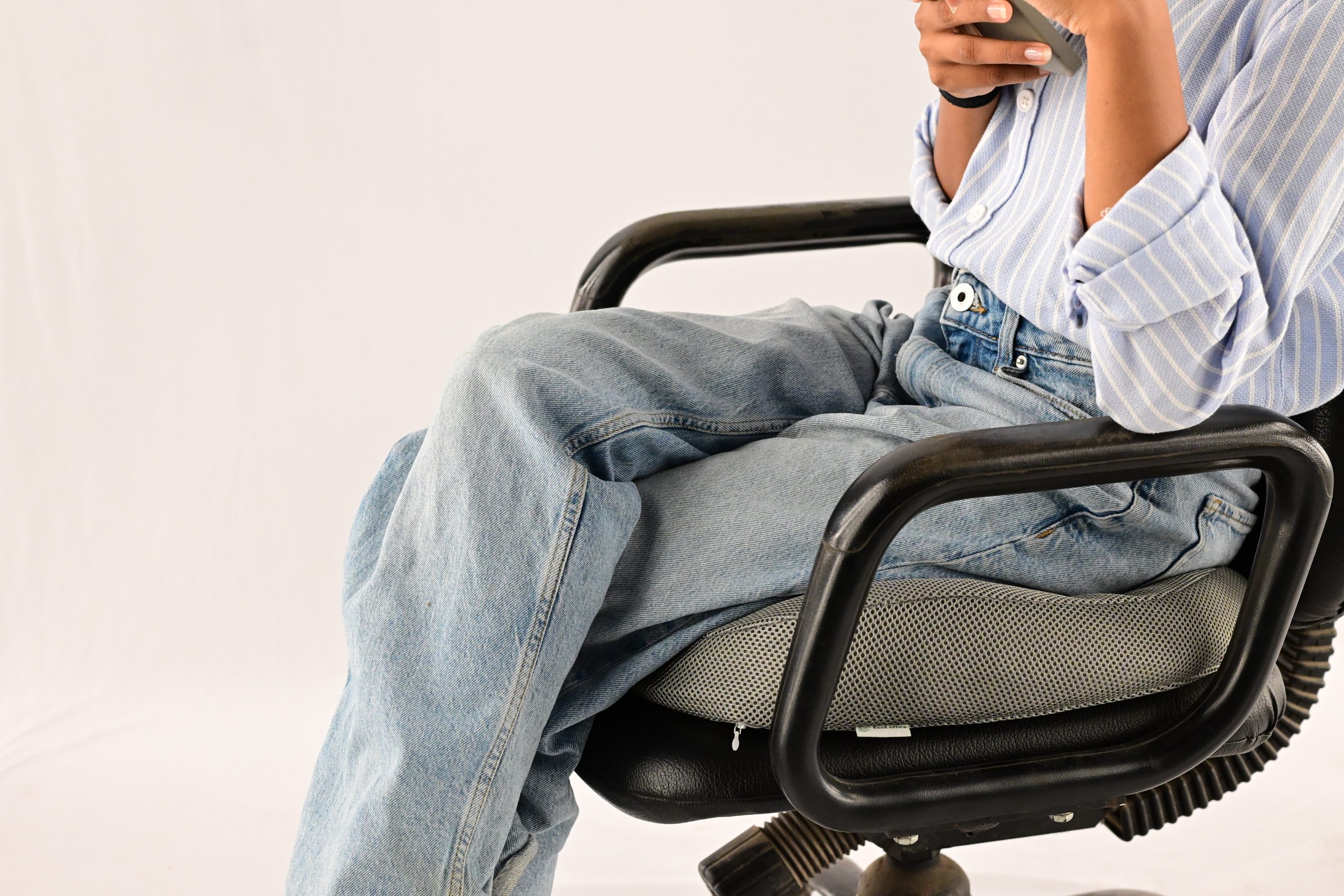
Seating is often understood as a passive surface, yet it plays an active role in how the body is supported over time. Extended sitting directly influences spinal health, posture, and overall comfort. When support is inadequate, discomfort does not appear immediately but builds gradually, often progressing from mild fatigue to long term strain. In this sense, seating actively shapes how the body experiences everyday environments.
The human spine follows a natural S shaped curvature that distributes weight and absorbs mechanical stress. Maintaining this alignment is essential for comfort and long term health. However, many seating systems are unable to accommodate this complexity. Flat or uniform surfaces tend to distribute pressure unevenly, creating zones of overloading while leaving other areas under-supported. Over time, this imbalance can influence posture and contribute to discomfort, particularly in the lower back.
Posture, Ergonomics, and Responsive Support
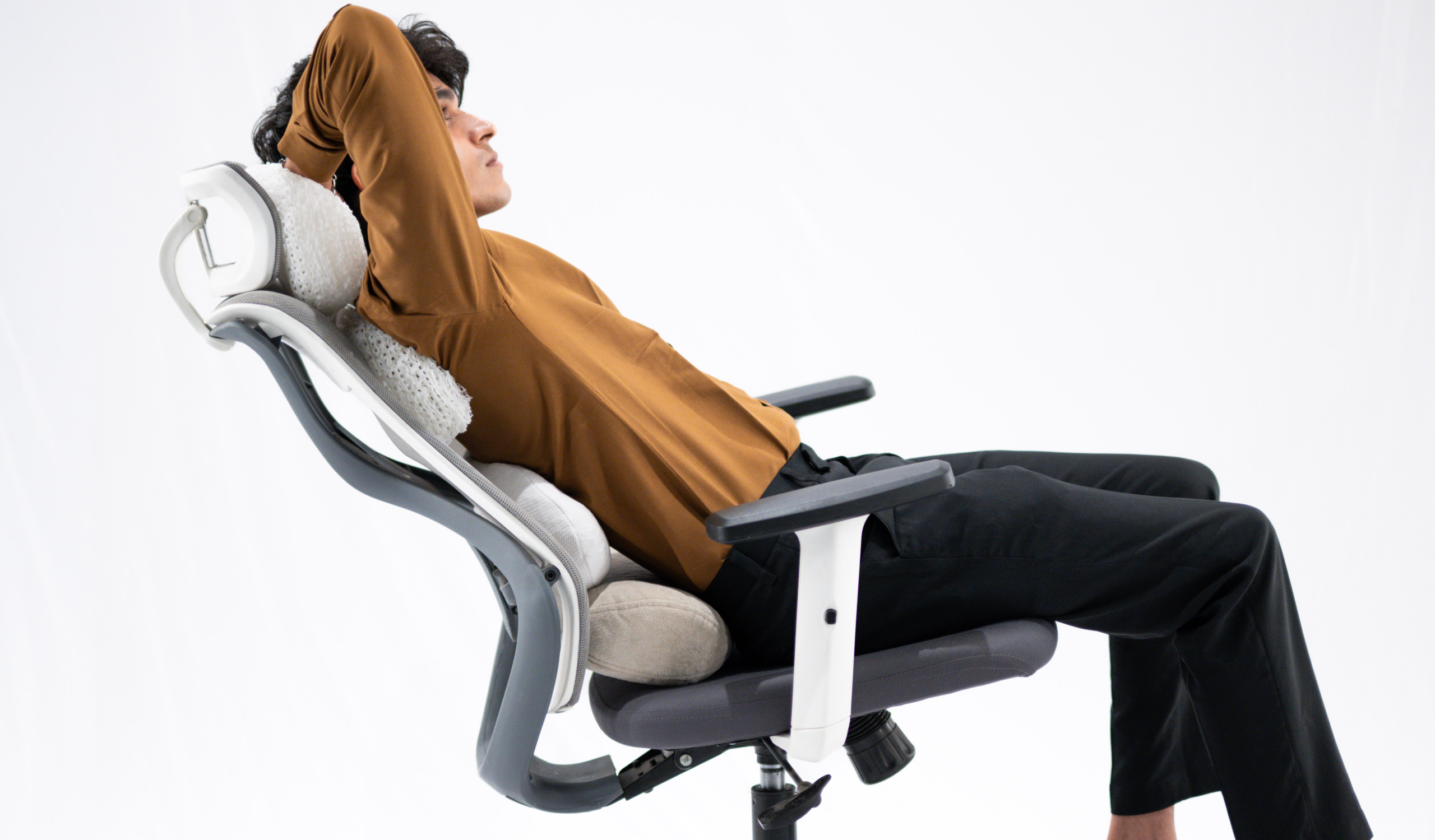
Posture is not a fixed position but a dynamic state that shifts with movement and duration of use. A well supported body maintains alignment with minimal muscular effort. When seating fails to provide this support, the body compensates. Muscles remain engaged to stabilise the spine, joints experience additional load, and pressure becomes concentrated rather than distributed.
Ergonomic design addresses this by focusing on how the body interacts with a surface over time. Instead of treating seating as a static plane, it considers variations in pressure, movement, and contact. This requires support to be distributed in a more deliberate way, where different regions respond according to the needs of the body rather than behaving uniformly.
Rethinking Materials and Systems
The performance of cushioning is closely linked to how materials behave under repeated and sustained loading. Conventional systems, often based on homogeneous conventional foams, rely on uniform compression. With use, these materials gradually lose their ability to recover, resulting in reduced thickness and diminished support.
A key limitation lies in their inability to respond differently across the surface. Since the material properties remain constant throughout, areas under higher stress degrade faster, leading to inconsistent performance. This has led to growing interest in approaches that allow for variation within the material itself.
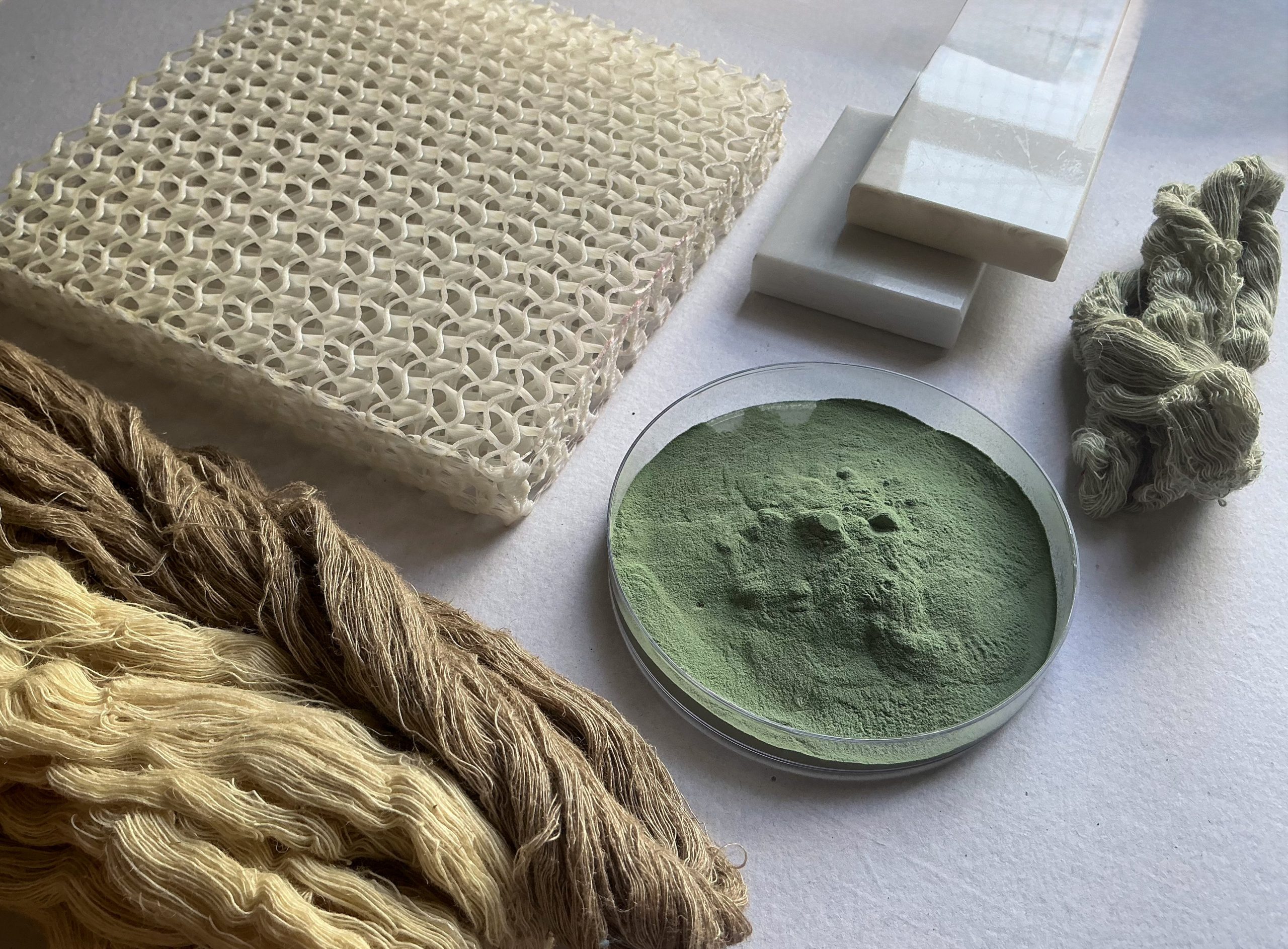
By working with controlled structures, such as lattice configurations, it becomes possible to vary stiffness and deformation across a surface. This allows cushioning to respond more precisely to how the body applies pressure, improving both comfort and durability.
At EcoLattice, this approach is explored through the development of integrated material systems. Structure and materials are designed together so that support is not applied uniformly but distributed intentionally. Such systems aim to maintain performance over time by reducing localized failure and enabling a more adaptive response to use.
Team EcoLattice